
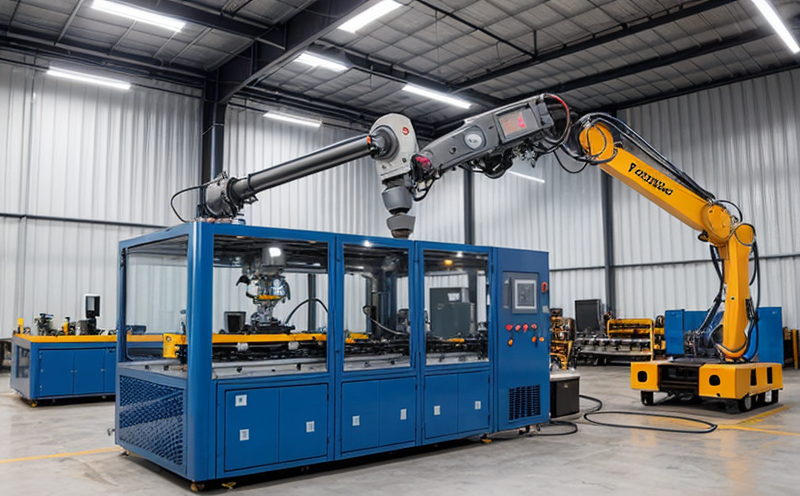
Industrial Robotics & Automation System Testing
The integration of industrial robots and automation systems into manufacturing processes has revolutionized production efficiency, precision, and repeatability. This transformation is particularly significant in sectors such as automotive, electronics, aerospace, and pharmaceuticals where quality control and compliance are paramount. In this context, the testing and validation of industrial robotics and automation systems is crucial to ensure reliability, safety, and operational excellence.
Our comprehensive testing services encompass a wide range of methodologies aimed at assessing various aspects of these complex systems. From mechanical durability to electrical integrity, our team utilizes state-of-the-art equipment and expertise to provide detailed insights into the performance characteristics of your automation solutions. The following sections will delve deeper into the specific tests conducted under this category.
At its core, industrial robotics testing involves a series of rigorous evaluations designed to assess multiple critical parameters including motion accuracy, cycle time optimization, force measurement precision, and environmental adaptability. These tests are essential for identifying potential bottlenecks or areas for improvement in your automation setup before full-scale implementation. By adhering strictly to international standards such as ISO 9001, ASME B156, and IEC 62384, we ensure that our findings are both reliable and compliant with industry best practices.
For quality managers and compliance officers, understanding the intricacies of these tests is vital for maintaining high standards across all stages of product development. Our services not only help in meeting regulatory requirements but also contribute significantly towards enhancing overall productivity by minimizing downtime through proactive maintenance recommendations based on our test results.
In addition to traditional testing procedures, we also offer advanced diagnostics using cutting-edge technologies like machine vision systems and sensor networks which allow us to gather real-time data from your robots during operation. This approach enables continuous monitoring of performance metrics such as torque, speed, and temperature, ensuring that any anomalies are detected early on.
Our commitment to excellence extends beyond mere testing; it includes providing tailored recommendations for improvement based on our findings. By leveraging extensive experience across diverse industries, we can offer strategic advice aimed at optimizing your automation systems further. Whether you're looking to enhance energy efficiency or improve ergonomics within your facility, our team stands ready to assist you in achieving these goals.
To sum up, industrial robotics and automation system testing is an indispensable part of any successful manufacturing strategy. It plays a crucial role in ensuring not only the immediate success but also long-term sustainability of your operations. With our expertise and commitment to precision, accuracy, and reliability, we are confident that you will find value in our offerings.
Applied Standards
Incorporating industrial robotics into manufacturing processes demands adherence to stringent standards that ensure safety, quality, and regulatory compliance. For this reason, our testing protocols closely align with internationally recognized guidelines such as ISO 10946 for robotic product design, ASME B56 series for industrial robots and robot systems, and EN ISO 13849 on safety of machinery.
These standards provide a framework within which we conduct thorough evaluations ensuring that your automation solutions meet the highest levels of integrity. Compliance with these norms is not only beneficial from an operational standpoint but also enhances brand reputation by demonstrating adherence to recognized benchmarks in the field.
The ISO 10946 standard particularly emphasizes the importance of robust design practices during the early stages of product development which helps prevent failures later down the line. Similarly, ASME B56 series focuses on safety aspects related specifically to industrial robots and their integration into manufacturing environments. These guidelines advocate for clear labeling, proper installation procedures, and ongoing maintenance recommendations.
For those concerned about cybersecurity risks associated with connected devices like industrial robots, EN ISO 13849 offers valuable insights regarding the integration of automation systems within larger machinery assemblies while also addressing potential security vulnerabilities. By following these standards, we ensure that your robotics installations are not only efficient but also secure against unauthorized access or malicious attacks.
It's worth noting that our approach goes beyond just meeting minimum compliance requirements; it involves proactive measures aimed at preventing issues before they become costly problems. Through regular inspections and adherence to best practices outlined in these standards, we strive to maintain optimal performance levels throughout the lifecycle of your robotic systems.
Industry Applications
The application landscape for industrial robotics and automation extends far beyond just automotive manufacturing; it encompasses numerous other sectors where precision, repeatability, and efficiency are key factors. In electronics production lines for instance, robots play a critical role in assembly tasks that require minimal human intervention to maintain consistent quality standards.
Aerospace manufacturers rely heavily on advanced robotic systems not only for intricate part handling but also during final inspections ensuring compliance with stringent safety regulations. Pharmaceutical companies leverage automation for packaging processes where sterility and precision are non-negotiables. Even in food processing industries, robotics assist in automating repetitive tasks such as palletizing or sorting products.
Moreover, these systems find application in sectors like mining operations where harsh environments demand robust machinery capable of enduring extreme conditions without frequent maintenance downtime. In warehousing facilities too, automation solutions help optimize space utilization and streamline order picking processes thereby enhancing overall productivity.
The versatility of industrial robotics makes them suitable for a wide array of tasks ranging from welding to painting; each task requiring specific calibration and operational parameters tailored according to the application. Our team works closely with clients to understand their unique requirements before designing custom tests that best suit their needs. This collaborative approach ensures comprehensive coverage across all relevant aspects ensuring optimal performance throughout the entire lifecycle of your robotic systems.
Use Cases and Application Examples
The integration of industrial robots into manufacturing processes has transformed many industries by enhancing productivity, reducing errors, and improving worker safety. Here are some detailed use cases highlighting how our testing services can benefit various applications:
Automotive Manufacturing: In automotive assembly plants, robotic arms perform tasks such as welding body panels or applying paint with precision that surpasses human capabilities. Our tests ensure these machines operate safely and efficiently under the stringent conditions of mass production.
Electronics Production: For companies involved in semiconductor fabrication or electronic circuit board production, precise placement is critical. We provide detailed analyses of robotic arm movements to guarantee accurate positioning every time, minimizing defects and improving yield rates.
Aerospace Manufacturing: Given the high stakes involved, aerospace manufacturers require top-notch quality control measures. Our tests verify that robotic arms used in assembly processes meet stringent specifications regarding force application and motion accuracy ensuring compliance with safety regulations.
Pharmaceutical Industry: In the pharmaceutical sector, precision is paramount due to strict regulatory requirements governing drug manufacturing processes. We assess robotic systems involved in tasks like tablet coating or vial filling, focusing on repeatability and consistency of results.
Mining Operations: Mining environments present unique challenges including extreme temperatures and corrosive atmospheres. Our tests evaluate how well robotic arms function under such harsh conditions while also checking for durability and resistance against wear and tear over extended periods.
Food Processing Industries: In food processing facilities, cleanliness is a priority along with ensuring product integrity during handling operations. We inspect robotic systems employed in tasks like palletizing or sorting products to ensure they meet hygiene standards without compromising on speed or accuracy.
Each of these examples underscores the importance of thorough testing and validation before deploying industrial robots into critical manufacturing processes. By doing so, we help our clients avoid costly mistakes that could arise from inadequate preparation leading to production disruptions or safety hazards.