
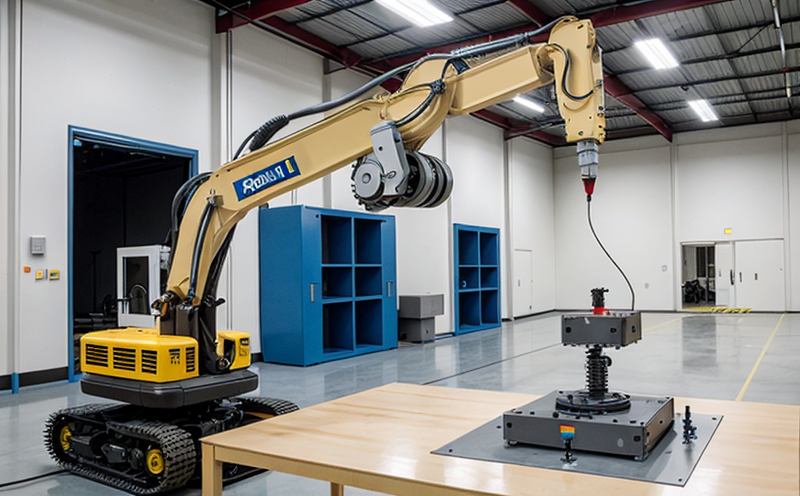
IEC 62061 Control System Performance in Robotic Applications
The International Electrotechnical Commission (IEC) standard IEC 62061 is a critical framework for ensuring the safety of industrial robots and robotic systems. This standard addresses control systems that are integral to these applications, offering a comprehensive approach to their performance evaluation.
Robotic control systems are at the heart of modern robotics technology, governing everything from movement precision to operational efficiency. IEC 62061 provides stringent guidelines on how these control systems should be tested and evaluated for compliance with safety requirements. This standard is particularly relevant in sectors such as manufacturing, healthcare, automotive, and aerospace, where robotic applications are increasingly pivotal.
The testing procedures outlined in this standard focus on the performance of the control system under various operational conditions. These include static tests to assess the stability and dynamic tests to evaluate the responsiveness and accuracy of the control system during operation. The test parameters can vary widely depending on the specific application, but they always aim at ensuring that the robotic systems meet the highest safety standards.
During specimen preparation for IEC 62061 testing, it is crucial to simulate real-world conditions as closely as possible. This involves setting up the robotic system in an environment that mimics its intended use case. The control software and hardware must be configured according to the operational requirements specified by the client or industry standards.
The instrumentation used for these tests is typically high-precision equipment designed to measure key performance indicators such as reaction time, repeatability, and precision of movements. Data collected during testing is rigorously analyzed to ensure that it meets all IEC 62061 criteria. This process involves detailed reporting that includes not only the raw data but also interpretations based on industry best practices.
Compliance with IEC 62061 ensures that robotic systems are safe, reliable, and perform their intended functions accurately. For manufacturers and integrators of robotics technology, this compliance is a key differentiator in the competitive market. It enhances customer trust and confidence while also mitigating potential risks associated with non-compliant products.
In summary, IEC 62061 control system performance testing is essential for ensuring that robotic systems are safe, reliable, and perform their intended functions accurately. This standard provides a robust framework for evaluating the performance of control systems in various operational conditions, thereby enhancing overall safety and reliability.
Why Choose This Test
Selecting IEC 62061 control system performance testing is advantageous for several reasons:
- Safety Assurance: Ensures that robotic systems meet the highest safety standards, protecting both personnel and equipment.
- Compliance: Helps businesses comply with international regulations, thereby avoiding legal issues and penalties.
- Risk Mitigation: Reduces potential risks associated with non-compliant products, enhancing overall system reliability.
- Enhanced Reputation: Demonstrates commitment to quality and safety, which can enhance a company's reputation in the industry.
By choosing this test, organizations can ensure that their robotic systems are not only safe but also meet the stringent requirements set by IEC 62061. This not only protects end-users but also provides peace of mind for manufacturers and integrators.
Quality and Reliability Assurance
Ensuring quality and reliability in robotic control systems is paramount, especially given the critical role these systems play in various industries. The IEC 62061 standard provides a comprehensive approach to achieving this goal through rigorous testing protocols.
The first step in ensuring quality and reliability is thorough specimen preparation. This involves setting up the robotic system under conditions that closely mimic real-world scenarios. The control software must be configured according to specified operational requirements, ensuring that all parameters are accurately set for the test.
Instrumentation plays a crucial role in this process. High-precision equipment is used to measure key performance indicators such as reaction time, repeatability, and precision of movements. Data collected during testing is meticulously analyzed to ensure compliance with IEC 62061 criteria. This involves not only collecting raw data but also providing detailed interpretations based on industry best practices.
Compliance with IEC 62061 ensures that robotic systems are safe, reliable, and perform their intended functions accurately. This standard provides a robust framework for evaluating the performance of control systems in various operational conditions. By adhering to these stringent requirements, organizations can enhance overall safety and reliability.
For manufacturers and integrators of robotics technology, compliance with IEC 62061 is a key differentiator in the competitive market. It enhances customer trust and confidence while also mitigating potential risks associated with non-compliant products. This ensures that robotic systems are not only safe but also meet the highest safety standards.
Use Cases and Application Examples
- Manufacturing: Ensuring precision in assembly processes, enhancing production line efficiency.
- Healthcare: Improving accuracy in robotic-assisted surgeries, reducing patient risk.
- Automotive: Enhancing safety and performance in automated manufacturing systems.
- Aerospace: Ensuring reliability in space robotics for both exploration and operational tasks.
- Logistics: Optimizing warehouse operations through precise robotic handling and sorting.
In each of these sectors, the IEC 62061 standard plays a crucial role in ensuring that robotic systems meet the highest safety standards. This ensures that robots are not only safe but also perform their intended functions accurately. Compliance with this standard enhances overall system reliability and reduces potential risks associated with non-compliant products.