
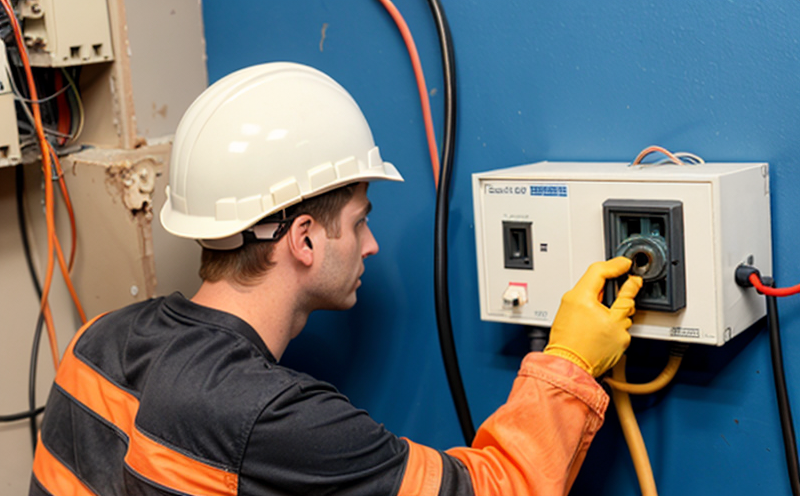
IEC 60601-1 Input Current Measurement Testing
The IEC 60601-1 standard is a cornerstone of electrical safety testing for medical devices. This standard ensures that medical equipment meets stringent requirements to protect patients and healthcare workers by preventing electrical hazards, ensuring correct operation, and facilitating safe use.
One key aspect of this standard involves the measurement of input current, which is critical in assessing whether a device complies with safety limits. The IEC 60601-1 specifies that input current must be measured to ensure it does not exceed predefined thresholds, which vary depending on the category and intended use of the medical device.
The testing procedure for measuring input current typically involves connecting the medical device under test (MDUT) to a calibrated current clamp or power meter. The MDUT is powered in its normal operating mode, ensuring that all relevant circuits are active. The current drawn by the device is then measured and recorded over time, often using an oscilloscope or data acquisition system.
For accurate measurement of input current, it's essential to ensure that the testing environment meets strict standards. This includes maintaining a stable power supply voltage and temperature conditions that do not affect the test results. Additionally, the equipment used for measurement must be calibrated according to IEC 60254-19 for precision.
Compliance with IEC 60601-1 requires not only precise measurement techniques but also thorough documentation of the testing process and results. This ensures that manufacturers can demonstrate compliance with international standards, which is crucial for regulatory approval and market access.
The importance of input current measurement cannot be overstated in medical device safety. Excessive current draw can lead to overheating, potential fire hazards, or even malfunctions that could put patients at risk. By adhering to IEC 60601-1 standards, laboratories ensure that the devices they test meet rigorous safety and performance criteria.
Our team of experts uses state-of-the-art equipment and follows stringent protocols to provide accurate input current measurements for a wide range of medical devices. Whether you are developing a new product or ensuring ongoing compliance with regulatory requirements, our services can help you achieve your goals.
In summary, IEC 60601-1 input current measurement testing is a vital step in the quality assurance process for medical devices. It ensures that devices operate safely and reliably within specified limits, protecting both patients and healthcare providers.
Quality and Reliability Assurance
The quality and reliability of medical devices are paramount to ensuring patient safety and satisfaction. At our laboratory, we employ a rigorous approach to testing and certification that ensures every device undergoes thorough evaluation before it reaches the market.
A critical component of this process is the IEC 60601-1 input current measurement test. By accurately measuring the input current drawn by medical devices, we can identify any potential issues early in the development cycle or during ongoing compliance checks. This helps manufacturers refine their products and ensures they meet stringent safety standards.
Our laboratory adheres to strict protocols for all testing procedures, including input current measurements. We use calibrated equipment and follow international standards such as IEC 60254-19 to ensure the accuracy of our results. Additionally, we maintain detailed records of each test performed, providing comprehensive documentation that supports regulatory compliance.
The reliability of medical devices is also crucial for ensuring consistent performance across multiple uses. By conducting thorough input current measurements according to IEC 60601-1, we can help manufacturers identify any inconsistencies or variations in device performance. This information allows them to make necessary adjustments and improvements, leading to more reliable products.
Our commitment to quality and reliability is reflected in our experienced team of engineers and technicians who specialize in medical device testing. They bring extensive knowledge and expertise to every project, ensuring that devices meet not only regulatory requirements but also the highest standards of performance and safety.
In conclusion, our laboratory's dedication to quality and reliability assurance through IEC 60601-1 input current measurement testing plays a vital role in safeguarding patient health and enhancing overall satisfaction with medical devices.
Customer Impact and Satisfaction
The impact of ensuring compliance with IEC 60601-1 standards, particularly through accurate input current measurements, extends beyond just meeting regulatory requirements; it directly influences customer satisfaction. By demonstrating a commitment to safety and quality, medical device manufacturers can build trust and confidence in their products.
Customers, including healthcare providers and patients, are more likely to choose devices that have been rigorously tested and certified according to international standards like IEC 60601-1. This not only enhances the reputation of the manufacturer but also fosters a better patient experience by reducing the risk of adverse events.
Our customers benefit from our comprehensive testing services because they receive detailed reports that outline all aspects of the input current measurement process. These reports provide valuable insights into how their devices perform under various conditions, helping them identify areas for improvement and ensuring long-term reliability.
In addition to improving customer satisfaction, adhering to IEC 60601-1 also helps reduce product liability risks. When manufacturers can demonstrate compliance with these standards, they are less likely to face legal challenges or recalls due to safety issues. This, in turn, protects both the manufacturer and their customers from potential harm.
Our laboratory's expertise in IEC 60601-1 input current measurement testing ensures that our customers receive accurate and reliable results every time. With a focus on quality and reliability, we help them maintain high standards throughout the product lifecycle, ultimately contributing to better healthcare outcomes for all involved parties.
Competitive Advantage and Market Impact
- Innovation Leadership: By staying ahead of regulatory changes and best practices in IEC 60601-1 testing, we enable our customers to innovate confidently. This allows them to introduce new products faster while maintaining top-tier safety standards.
- Global Market Access: Compliance with international standards like IEC 60601-1 is essential for entering global markets. Our expertise in this area helps manufacturers navigate complex regulatory environments, opening doors to new opportunities worldwide.
- Risk Mitigation: Through rigorous testing and certification processes, we help our customers mitigate risks associated with non-compliance. This reduces the likelihood of costly recalls or legal disputes, protecting their brand reputation and financial stability.
- Enhanced Reputation: Demonstrating a strong commitment to safety through IEC 60601-1 testing enhances a manufacturer's reputation among healthcare providers and patients alike. A reputable brand is more likely to attract loyal customers who trust its products implicitly.
- Patient Safety: Ensuring that medical devices meet stringent safety criteria not only protects the health of patients but also builds long-term relationships based on mutual respect and trust.
In summary, our laboratory's focus on IEC 60601-1 input current measurement testing provides a significant competitive advantage by fostering innovation, ensuring global market access, mitigating risks, enhancing reputation, and prioritizing patient safety. These factors collectively contribute to sustained success in the medical device industry.