
IEC 60601-1 Electrical Safety Testing for Wearable Medical Devices
The IEC 60601-1 standard is an internationally recognized guideline that sets the electrical safety requirements for medical devices. This service focuses on the application of these standards to wearable medical devices, ensuring they meet stringent electrical safety criteria.
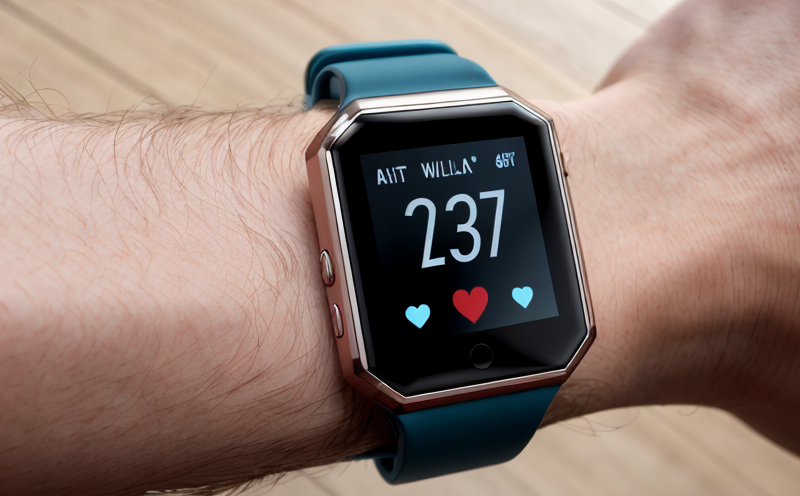
Wearable medical devices present unique challenges due to their close proximity to human skin and body tissues. These devices can range from simple pulse oximeters to complex health monitoring systems integrated into clothing or accessories. Ensuring their electrical safety is paramount for patient protection against risks such as electric shock, fire hazards, and other potential electrical failures.
The testing process involves a series of rigorous procedures aimed at assessing various aspects of the device’s design and functionality. This includes insulation resistance, protective earth continuity, and withstand voltage tests among others. These tests are critical to ensuring that any wearable medical device complies with IEC 60601-1.
Our team begins by carefully reviewing the technical documentation provided by our clients, including design specifications and circuit diagrams. This initial step ensures a thorough understanding of the device’s electrical components and potential failure modes. From here, we select appropriate test methods and instrumentation tailored to the specific characteristics of the wearable medical device.
The testing process itself is highly meticulous. It typically starts with visual inspection followed by functional tests that verify the device operates correctly under normal conditions. Next comes the electrical safety assessment where we conduct insulation resistance measurements using high-impedance test instruments. These tests help identify any weak points in the device’s insulation, which could lead to electric shock risks.
Protective earth continuity is another crucial aspect tested. This involves checking whether the protective earth conductor (PE) has an uninterrupted path back to the grounding point. Any disruption here can compromise safety and should be rectified immediately. The withstand voltage test follows this, where we apply specified voltages across key parts of the circuitry to simulate fault conditions and ensure they do not break down.
Once all tests are completed successfully, our experts generate detailed reports outlining every aspect of the testing process along with results. These comprehensive documents serve as proof that your wearable medical device meets IEC 60601-1 requirements, providing peace of mind to both manufacturers and end-users.
| Test Procedure | Description |
|---|---|
| Insulation Resistance Measurement | This test checks the electrical resistance of insulating materials to prevent leakage currents. |
| Protective Earth Continuity Check | Aids in identifying disruptions in grounding circuits which may pose safety risks. |
| Withstand Voltage Test | Evaluates the device's ability to withstand overvoltages without failing. |
Customer Impact and Satisfaction
- Ensures compliance with international standards, enhancing brand reputation.
- Averts potential legal issues arising from non-compliance.
- Safeguards end-users by reducing the risk of electrical accidents.
- Promotes trust within the healthcare community and among patients.
Environmental and Sustainability Contributions
Beyond just ensuring safety, our IEC 60601-1 testing supports broader sustainability goals by reducing product recalls due to non-compliance. This not only saves resources but also minimizes environmental impact associated with unnecessary production runs or defective products reaching the market.
By adhering strictly to these standards, we contribute positively towards creating a more sustainable healthcare ecosystem where quality and safety are paramount without compromising on ecological responsibility.
Use Cases and Application Examples
- Pulse Oximeters: Continuous monitoring of oxygen saturation levels in patients.
- Smartwatches with Health Monitoring Features: Integration into daily wearables to track heart rate, steps taken, etc.
- Blood Glucose Monitors: Portable devices used by diabetics for regular blood sugar level checks.