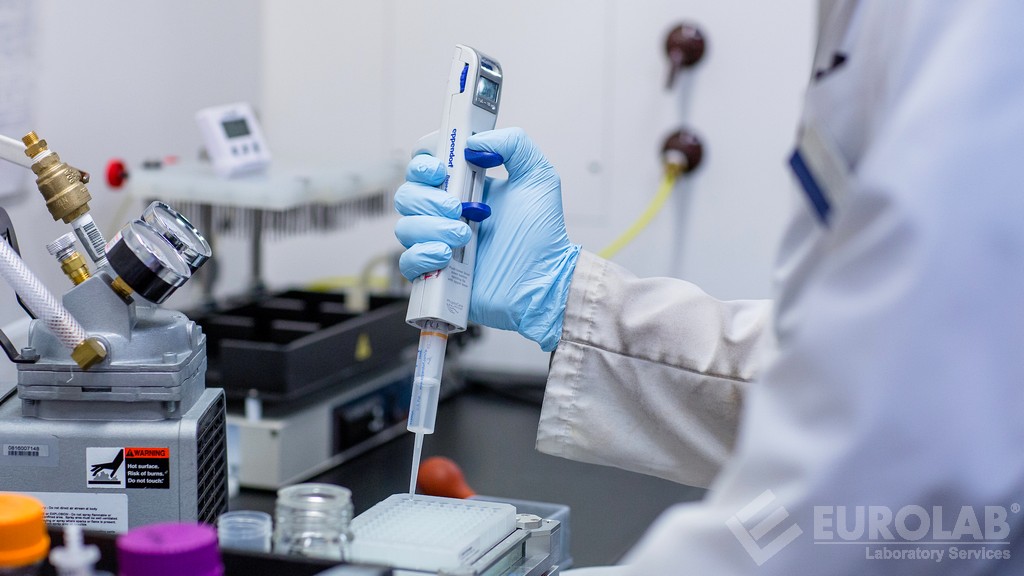

Hemocompatibility Testing – Coagulation Parameter Testing
The field of hemocompatibility testing is critical in ensuring that medical devices, particularly those intended to come into contact with blood, do not elicit adverse reactions or impair the coagulation cascade. Coagulation parameter testing plays a crucial role in this context by evaluating how a device interacts with blood and its components. This interaction can influence various physiological processes such as clotting, platelet function, and overall hemostasis.
The significance of hemocompatibility testing cannot be overstated, especially for devices like catheters, stents, and intravenous systems. Proper coagulation parameter testing helps to ensure that these devices do not induce thrombosis or other harmful effects on the patient's blood. The tests typically assess parameters such as platelet activation, fibrinolysis, and procoagulant activity.
Given the complexity of the human body’s response to medical devices, a comprehensive approach is necessary. This involves understanding the device material, design, and potential interactions with biological fluids. For instance, certain materials like silicone or polyethylene may have different hemocompatibility profiles compared to metallic alloys. Therefore, it is essential to conduct thorough testing that considers both short-term and long-term effects.
One of the primary challenges in this field is ensuring that tests are reproducible and that results are consistent across different laboratories. This requires adherence to international standards such as ISO 10993-24, which provides guidance on biocompatibility assessment for medical devices intended to come into contact with blood.
The testing process involves several key steps: sample preparation, exposure of the device to blood under controlled conditions, and subsequent analysis of coagulation parameters. This can be achieved using various techniques such as platelet function analyzers (PFA), thromboelastography (TEG), and rotational thromboelastometry (ROTEM). Each method offers unique insights into different aspects of hemocompatibility.
For instance, PFA measures the functional integrity of platelets by detecting their ability to form a fibrin clot when exposed to an adhesive surface. TEG evaluates global hemostasis by measuring the time and quality of blood coagulation through a series of tests. ROTEM provides detailed information about thrombin generation and clot formation rates.
The results from these tests are then analyzed to determine whether the device under test is hemocompatible, meaning it does not significantly alter normal hemostatic processes. If deviations are observed, further investigation into the device design or material composition may be necessary. It is also important to consider patient-specific factors such as underlying medical conditions that could influence the results.
In summary, hemocompatibility testing, particularly coagulation parameter testing, is essential for ensuring the safety and efficacy of medical devices that interact with blood. By adhering to established standards and using advanced analytical techniques, laboratories can provide reliable and actionable data that informs device development and regulatory compliance.
Applied Standards
Hemocompatibility testing is governed by several international standards designed to ensure the safety and effectiveness of medical devices. These include:
- ISO 10993-24:2020 – This standard outlines the procedures for biocompatibility assessment, including hemocompatibility evaluation.
- ASTM F785-16 – Provides guidance on testing platelet function analyzers (PFA).
- EN ISO 14972:2007 – Covers the requirements for the sterilization of medical devices, which is relevant to hemocompatibility.
- IEC 60601-2-14:2003 – Specifies the conditions and methods for electrical safety testing, which can be applicable in some scenarios involving electronic medical devices.
These standards provide a framework for conducting hemocompatibility tests that are reproducible and comparable across different laboratories. Compliance with these guidelines ensures that the results are valid and reliable, thereby enhancing patient safety.
Competitive Advantage and Market Impact
Incorporating robust hemocompatibility testing into a quality management system can provide significant competitive advantages in the medical device industry. By ensuring compliance with international standards, laboratories demonstrate their commitment to excellence and patient safety, which is crucial for gaining market acceptance.
Compliance with ISO 10993-24 ensures that the laboratory’s methodologies are recognized globally, making it easier to conduct business across different regions. This standardization also enhances credibility among regulatory bodies and healthcare providers, who rely on consistent and reliable test results.
The ability to offer comprehensive hemocompatibility testing services can attract a broader client base, including researchers, manufacturers, and hospitals looking for trusted partners in the field of medical device development. Offering state-of-the-art instrumentation such as PFA, TEG, and ROTEM further differentiates a laboratory from its competitors by providing cutting-edge solutions.
Moreover, compliance with these standards can lead to faster product approvals and reduced time-to-market for new devices. This is particularly important in the fast-paced environment of medical technology where timely introductions are critical. By ensuring that all tests meet the required criteria, laboratories play a vital role in accelerating innovation while maintaining high-quality standards.
The market impact of reliable hemocompatibility testing cannot be understated. It contributes to reducing the risk of adverse events associated with medical devices, thereby improving overall patient outcomes. This trust and reliability can translate into long-term partnerships and repeat business from satisfied clients.
Use Cases and Application Examples
- Catheter Design Validation: Testing the hemocompatibility of catheters helps ensure that they do not induce clot formation or platelet activation, which could lead to thrombosis.
- Stent Manufacturing: Stents are often used in vascular interventions. Hemocompatibility testing ensures that these devices allow for proper blood flow without causing adverse reactions.
- Intravenous Lines: Ensuring the safety of intravenous lines is crucial to prevent complications such as phlebitis or embolism.
- Tissue Engineering: Devices used in tissue engineering, such as scaffolds, may need to be hemocompatible to promote healing without causing inflammation.
- Bioresorbable Stents: These devices must degrade over time while maintaining hemocompatibility throughout their use.
- Drug-Coated Balloons: Testing the interaction between drug-coated balloons and blood is essential for ensuring efficacy and safety.
- Patient-Specific Devices: Custom-made medical devices require thorough testing to ensure they meet the specific needs of individual patients without causing harm.
These examples illustrate the broad applicability of hemocompatibility testing across various medical device categories. By ensuring that each device interacts safely with blood, laboratories play a critical role in advancing medical technology and improving patient care.