
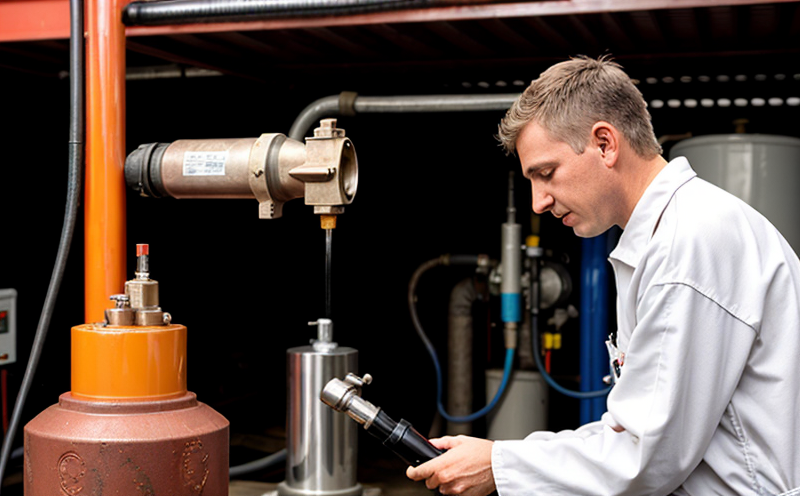
Fuel & Lubricant Quality Testing
In the aerospace and aviation industry, fuel and lubricant quality testing is paramount to ensuring operational safety, efficiency, and compliance with international standards. The integrity of these fluids directly impacts engine performance, equipment lifespan, and overall fleet reliability. As a leading laboratory specializing in this sector, we offer comprehensive fuel and lubricant quality testing services tailored to meet the stringent requirements of aerospace and aviation applications.
Fuel and lubricant quality testing involves a series of rigorous procedures designed to evaluate key parameters that ensure these fluids are fit for purpose. These tests encompass physical properties such as viscosity, flash point, pour point, and density, which are critical in determining fuel compatibility with aircraft engines. Lubricants are subjected to wear particle analysis, oxidation stability, and anti-wear performance assessments.
Our testing methods adhere strictly to international standards including ISO 4406 for contamination levels of hydraulic fluids, ASTM D975 for diesel fuels, and MIL-L-21038 for aviation turbine fuel. These standards ensure that the results are not only accurate but also universally recognized by regulatory bodies such as the Federal Aviation Administration (FAA) and European Union Aviation Safety Agency (EASA).
By conducting these tests, we provide our clients with actionable insights into the condition of their fuels and lubricants. This proactive approach allows them to address any issues before they escalate into costly operational problems. Our services are particularly valuable for quality managers looking to maintain optimal fluid performance or for compliance officers ensuring adherence to regulatory requirements.
The accuracy and reliability of these tests are paramount, especially given the high stakes involved in aerospace and aviation operations. Any deviation from expected standards can lead to significant disruptions in service and potential safety hazards. Our laboratory utilizes advanced instrumentation and cutting-edge methodologies to deliver precise results that are crucial for decision-making processes within organizations.
Scope and Methodology
The scope of our fuel and lubricant quality testing services is comprehensive, covering a wide range of parameters essential for ensuring the performance and longevity of aircraft fluids. We begin with sample collection, which involves strict adherence to protocols to maintain fluid integrity during transportation to the laboratory.
- Viscosity measurement: Determines the fluid's resistance to flow at different temperatures.
- Fuel contamination analysis: Identifies the presence of water, sediment, and other contaminants that could affect fuel performance.
- Lubricant wear particle analysis: Analyzes particles in lubricants to assess wear and tear on components.
For fuels, we also conduct tests for flash point, pour point, and density. These parameters are crucial for ensuring the fuel can be safely used under various environmental conditions encountered during flight operations.
Lubricant testing includes a range of procedures to evaluate wear resistance, oxidation stability, and anti-wear properties. Our methodologies ensure that each lubricant sample is thoroughly analyzed to meet the stringent requirements set by industry standards.
Benefits
- Enhanced Safety: By ensuring fuel and lubricants meet all required specifications, we help prevent accidents and improve overall safety in aviation operations.
- Prolonged Equipment Life: Regular testing helps identify potential issues early, allowing for timely maintenance and extending the life of aircraft components.
- Cost Savings: Early detection of problems through testing can reduce downtime and repair costs associated with fluid-related malfunctions.
- Regulatory Compliance: Our services ensure that all tests are conducted in accordance with international standards, helping clients meet regulatory requirements without unnecessary delays.
- Improved Performance: Optimizing fuel and lubricant quality can enhance the performance of aircraft engines, leading to better fuel efficiency and reduced emissions.
Customer Impact and Satisfaction
Our customers benefit from our expertise in aerospace and aviation testing by gaining reliable data that supports informed decision-making processes. This enables them to maintain high standards of quality and safety while optimizing operational costs. Clients often report higher levels of satisfaction due to the precision and reliability of our test results, which are directly linked to improved performance and reduced risk.
Our comprehensive approach to fuel and lubricant quality testing fosters a culture of continuous improvement within organizations. By providing detailed reports and recommendations based on test findings, we empower clients to take proactive measures that contribute to long-term success in the aerospace and aviation industry.