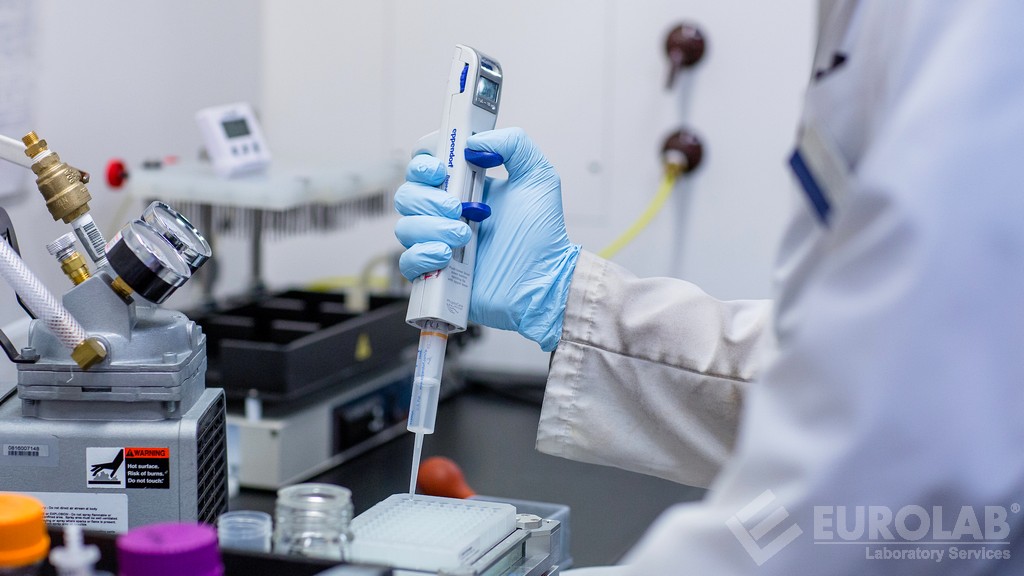

Food Safety Training Certification
The importance of food safety in today’s globalized and interconnected world cannot be overstated. Foodborne illnesses pose significant risks to public health, leading to substantial economic impacts on the healthcare system, industry, and consumers alike. Ensuring that those involved in every step of the food production chain—from farmers and processors to retailers—are equipped with the necessary knowledge is paramount. This is where Food Safety Training Certification comes into play.
The certification process aims to provide individuals with a comprehensive understanding of food safety principles, practices, and regulations. It not only enhances personal skills but also strengthens organizational compliance. Through rigorous training, participants learn how to identify potential hazards in the production, handling, storage, transportation, and consumption stages of food products. This holistic approach ensures that best practices are consistently applied across all levels of the industry.
The certification is recognized internationally and is a key component for quality managers, compliance officers, R&D engineers, and procurement professionals. It equips these individuals with the expertise needed to meet stringent standards set by governing bodies such as the World Health Organization (WHO), Food and Agriculture Organization (FAO), and various national regulatory authorities.
A robust training program includes both theoretical knowledge and practical skills. The curriculum covers topics ranging from hygiene practices, food preservation techniques, pest control measures, and proper handling methods to understanding relevant legal frameworks and international guidelines like ISO 22000:2018 and HACCP (Hazard Analysis and Critical Control Points). Regular updates ensure that the certification remains current with evolving trends and challenges within the sector.
Participation in such a program can lead to tangible benefits for both individuals and organizations. Professionals who earn this certification demonstrate their commitment to maintaining high standards of food safety, which can significantly enhance career prospects. For companies, it translates into improved operational efficiency, reduced risk exposure, and enhanced reputation among consumers.
To summarize, Food Safety Training Certification is an indispensable tool in safeguarding public health while fostering sustainable development within the food industry. By investing time and effort into acquiring this certification, participants contribute positively towards creating a safer environment for everyone involved in or consuming food products worldwide.
Applied Standards
| Standard Name | Description |
|---|---|
| ISO 17025:2017 | International standard for the general requirements for the competence of testing and calibration laboratories. It ensures that organizations providing food safety training meet strict quality assurance criteria. |
| HACCP (Hazard Analysis and Critical Control Points) | A systematic approach to identifying potential hazards in food production processes and implementing preventive measures at critical points where these risks could occur. |
The applied standards form the backbone of our Food Safety Training Certification program. They ensure that all aspects of training are aligned with global best practices, thereby providing participants with knowledge relevant not just locally but also internationally recognized.
Scope and Methodology
| Method | Description |
|---|---|
| Theoretical Instruction | In-depth lectures covering fundamental concepts of food safety, hygiene practices, and regulatory frameworks. |
| P practical Exercises | Hands-on activities allowing participants to apply learned theories in real-world scenarios involving mock audits and simulations. |
The scope of our Food Safety Training Certification encompasses various critical areas within the food industry. Participants engage in comprehensive theoretical instruction, gaining insights into essential topics such as microbial contamination control, allergen management, and proper labeling requirements. Practical exercises further reinforce these concepts through interactive sessions where trainees practice identifying hazards, implementing corrective actions, and documenting findings.
The methodology employed during training emphasizes experiential learning, ensuring that participants develop a deep understanding of the subject matter rather than merely acquiring surface-level knowledge. This approach prepares them to handle diverse situations effectively in their respective roles within the industry.
International Acceptance and Recognition
- The certification is accepted by major food safety organizations worldwide, including WHO, FAO, and national regulatory bodies.
- It aligns with international standards like ISO 22000:2018 and HACCP, ensuring that certified personnel can seamlessly integrate into global supply chains.
- Certification holders are recognized by employers across different countries, enhancing their employability and career prospects internationally.
The widespread acceptance of our Food Safety Training Certification highlights its value in the international community. By adhering to globally accepted standards, it fosters a harmonized approach towards food safety practices regardless of geographical boundaries. Employers seeking skilled professionals in this field can rely on certified individuals as they bring standardized competencies that facilitate smooth collaboration across borders.