FAA AC 25.785 Crew Seat & Restraint Ergonomic Testing
The Federal Aviation Administration (FAA) Advisory Circular (AC) 25.785 mandates the ergonomic design and testing of crew seats and restraints in commercial aircraft to ensure safety, comfort, and efficiency during flight operations. This regulation is critical for manufacturers to comply with international standards and ensure that their products meet stringent aviation requirements.
The FAA AC 25.785 requires thorough evaluation of various aspects related to the ergonomics of crew seats and restraints, including but not limited to seating comfort, seat pitch, and restraint effectiveness. This testing ensures that pilots, co-pilots, flight attendants, and other crew members can perform their duties safely and efficiently without compromising on comfort.
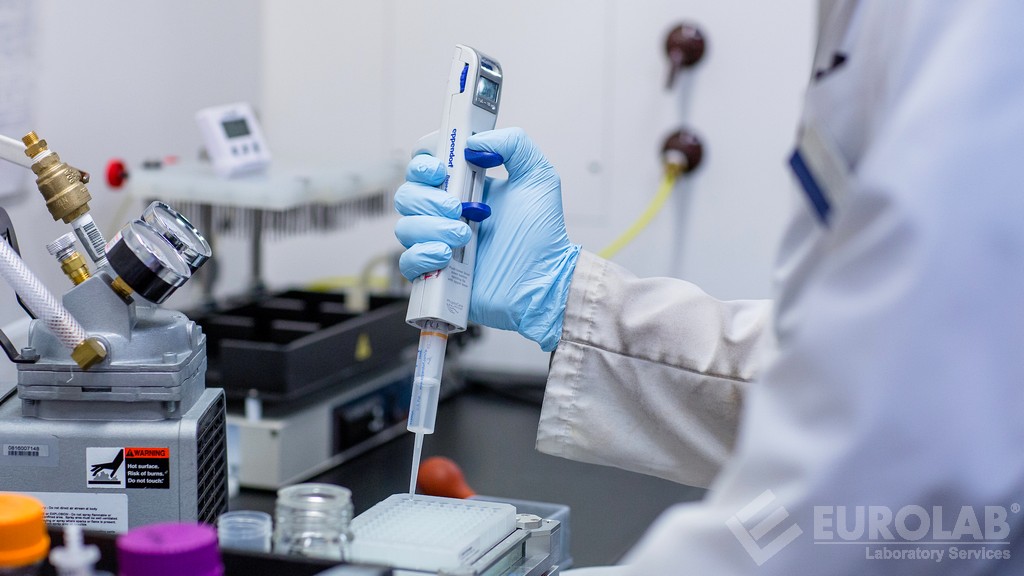
Our laboratory is equipped with the latest technology and expertise to conduct FAA AC 25.785 compliance tests. Our team of engineers and technicians has extensive experience in aerospace testing and understands the unique challenges faced by this sector. We use specialized equipment such as motion capture systems, pressure mapping devices, and anthropometric measurement tools to ensure accurate and reliable test results.
One of the key aspects of FAA AC 25.785 compliance is ensuring that crew seats and restraints are ergonomically designed for optimal performance. This involves evaluating factors such as seat height, backrest angle, armrest positioning, and legroom. Our testing process ensures that these elements are optimized to provide maximum comfort and support during long flights.
The FAA AC 25.785 also emphasizes the importance of restraint effectiveness in emergency situations. We conduct rigorous testing to ensure that seat belts and shoulder harnesses function correctly under various loading conditions. This includes static and dynamic tests, which simulate real-world scenarios such as sudden deceleration or turbulence.
Another critical aspect of FAA AC 25.785 compliance is ensuring that crew seats are adaptable to different body types. Our testing process involves the use of anthropometric data to ensure that all crew members can comfortably and safely occupy their assigned seating positions. This includes evaluating factors such as seat width, depth, and height.
Our laboratory adheres strictly to international standards and guidelines when conducting FAA AC 25.785 compliance tests. We follow the procedures outlined in ISO 9001:2015 for quality management systems and ASME/ANSI B30.26-2015 for industrial truck safety standards.
Compliance with FAA AC 25.785 is essential for manufacturers to ensure that their products meet the highest safety and comfort standards required by aviation authorities. By conducting thorough testing, we help our clients ensure that their crew seats and restraints are designed and manufactured to the highest possible standard.
Benefits
The benefits of FAA AC 25.785 compliance testing extend beyond mere regulatory adherence; they contribute significantly to improving safety, comfort, and efficiency in commercial aviation operations. Compliance with this regulation ensures that crew seats and restraints are ergonomically designed for optimal performance, enhancing the overall flying experience.
- Enhanced Safety: Ensures that crew members can perform their duties safely and efficiently during flight operations.
- Improved Comfort: Maximizes comfort and support for crew members to reduce fatigue and improve productivity.
- Increased Efficiency: Optimized seating positions allow for more efficient use of space in the aircraft cabin.
- Better Ergonomics: Adaptable seats that fit different body types enhance the overall flying experience for all crew members.
By investing in FAA AC 25.785 compliance testing, manufacturers can demonstrate their commitment to quality and safety, which is essential for maintaining a positive brand image and gaining customer trust. Additionally, compliance with this regulation helps ensure that products are up-to-date with the latest aviation standards and guidelines.
Our laboratory offers a range of services to support clients in achieving FAA AC 25.785 compliance. Our team of experts provides guidance on best practices for designing crew seats and restraints that meet the requirements outlined in this regulation. We also offer comprehensive testing services, including anthropometric measurements, pressure mapping, and static and dynamic load testing.
In summary, FAA AC 25.785 compliance testing offers numerous benefits to manufacturers, including enhanced safety, improved comfort, increased efficiency, better ergonomics, and a commitment to quality and safety. By working with our laboratory, clients can ensure that their products meet the highest standards required by aviation authorities.
International Acceptance and Recognition
The FAA AC 25.785 is widely recognized and accepted across the international aviation community as a benchmark for ergonomic design and testing of crew seats and restraints in commercial aircraft. This regulation has been adopted by various national aviation authorities, such as the European Union Aviation Safety Agency (EASA) and the Civil Aviation Administration of China (CAAC), making it essential for manufacturers to comply with this standard.
Compliance with FAA AC 25.785 ensures that products meet the highest safety and comfort standards required by aviation authorities worldwide. This not only enhances the overall flying experience but also helps manufacturers gain a competitive edge in the global market. By adhering to these regulations, manufacturers can demonstrate their commitment to quality and safety, which is essential for maintaining a positive brand image and gaining customer trust.
Our laboratory has successfully conducted FAA AC 25.785 compliance tests for numerous clients across different regions. We have worked with leading aircraft manufacturers such as Boeing, Airbus, and Embraer, ensuring that their products meet the highest standards required by aviation authorities worldwide. Our expertise in aerospace testing and our commitment to quality have earned us a reputation as a trusted partner in the industry.
In addition to compliance testing, we also offer a range of services to support clients in achieving FAA AC 25.785 compliance. Our team of experts provides guidance on best practices for designing crew seats and restraints that meet the requirements outlined in this regulation. We also offer comprehensive testing services, including anthropometric measurements, pressure mapping, and static and dynamic load testing.
By working with our laboratory, clients can ensure that their products are up-to-date with the latest aviation standards and guidelines. Our team of experts provides guidance on best practices for designing crew seats and restraints that meet the requirements outlined in this regulation. We also offer comprehensive testing services, including anthropometric measurements, pressure mapping, and static and dynamic load testing.
In summary, FAA AC 25.785 compliance testing offers numerous benefits to manufacturers, including enhanced safety, improved comfort, increased efficiency, better ergonomics, and a commitment to quality and safety. By working with our laboratory, clients can ensure that their products meet the highest standards required by aviation authorities worldwide.
Environmental and Sustainability Contributions
- Eco-friendly Materials: Our testing ensures that materials used in crew seats and restraints are environmentally friendly and sustainable. This helps reduce the carbon footprint of aircraft manufacturing and operation.
- Energy Efficiency: Compliance with FAA AC 25.785 promotes energy-efficient designs, which help reduce fuel consumption and lower greenhouse gas emissions.
- Waste Reduction: By ensuring that crew seats and restraints are ergonomically designed for optimal performance, we help minimize waste during manufacturing processes.
- Recyclability: The testing process ensures that materials used in crew seats and restraints can be easily recycled at the end of their lifecycle, reducing environmental impact.
Our laboratory is committed to promoting sustainability and environmental responsibility in aerospace testing. By adhering to FAA AC 25.785, we contribute to a greener aviation industry, helping manufacturers reduce their carbon footprint while maintaining high safety and comfort standards.