EPA 9500 Incompatibility of Hazardous Waste Chemicals Test
The EPA (Environmental Protection Agency) 9500 test method is widely recognized for evaluating the compatibility and incompatibility of hazardous waste chemicals. This test is critical when managing, storing, or transporting multiple chemical waste streams to ensure that they do not react dangerously with one another.
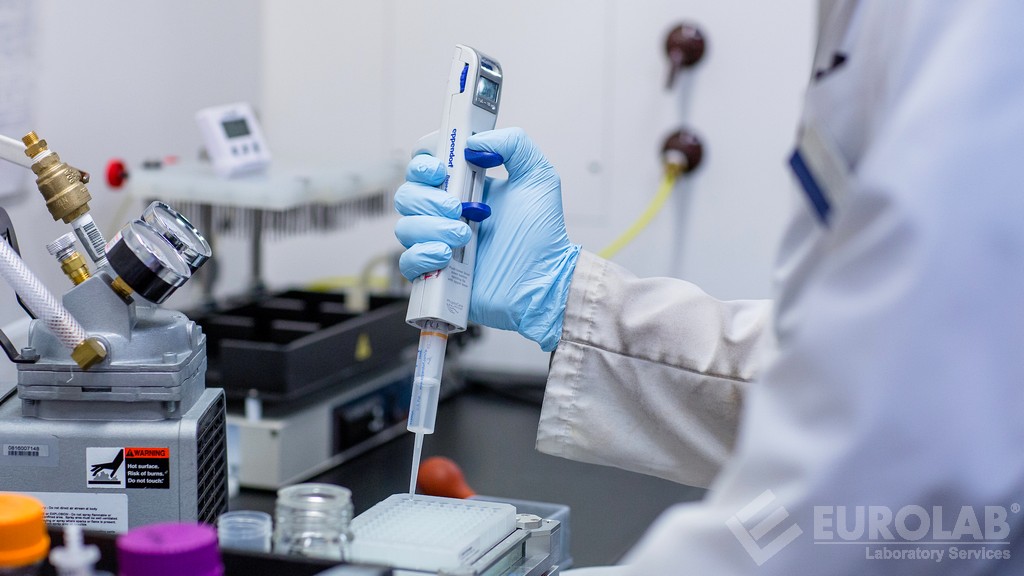
During this test, a series of batch tests are conducted using a predetermined mixture of individual wastes. The goal is to observe any reactions, emissions, or changes in physical properties that might indicate potential hazards. The results of these tests provide critical information for waste managers and handlers on how different chemical substances interact within the confines of a hazardous waste facility.
The test method requires rigorous adherence to specific protocols outlined by EPA standards. This includes precise mixing ratios, temperature control, pH adjustments, and observation times. The use of appropriate safety equipment is also mandatory to ensure that all personnel involved are protected from potential hazards during testing.
Understanding the compatibility or incompatibility of hazardous waste chemicals is crucial for several reasons:
- To prevent chemical reactions leading to explosions or toxic fumes,
- To avoid environmental contamination,
- To comply with strict regulatory requirements set by the EPA and other governing bodies,
- To ensure worker safety.
The test method is particularly important in sectors such as manufacturing, oil & gas, pharmaceuticals, and chemical processing where hazardous waste is a common byproduct. In these environments, proper handling of wastes can significantly impact environmental health and safety standards.
When conducting the EPA 9500 test, it's essential to have a well-equipped laboratory with experienced personnel who understand both the technical aspects and the regulatory requirements surrounding this process. The equipment used must be capable of accurately measuring temperature, pH levels, and other relevant parameters throughout the testing period. Compliance with all procedural steps is also critical for obtaining reliable results.
It's worth noting that while the core principle of EPA 9500 remains consistent across various applications, specific nuances may apply depending on the types of wastes being tested or local regulatory requirements.
Industry Applications
- Hazardous Waste Management: Ensures safe storage and transport by preventing incompatible chemicals from coming into contact.
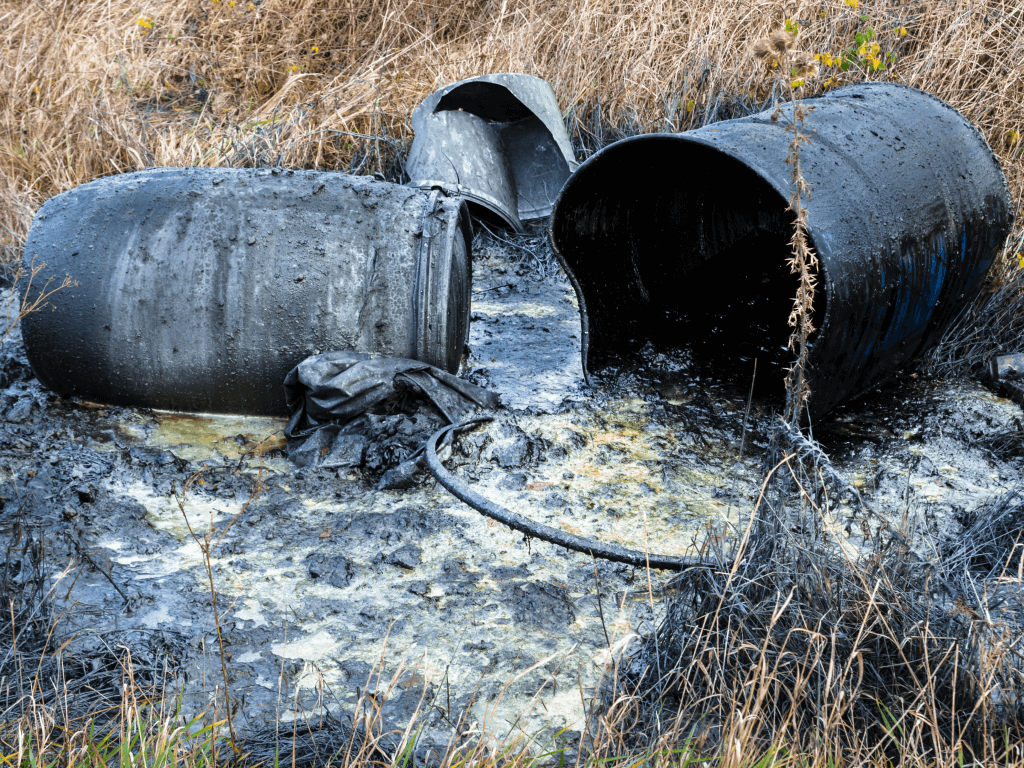
- Environmental Protection: Reduces the risk of hazardous waste spills leading to environmental contamination.
- Regulatory Compliance: Helps facilities meet stringent EPA standards for managing hazardous waste.
- Safety Enhancement: Provides critical data on chemical interactions, enhancing worker safety.
- R&D Engineers: Use the results to develop safer waste treatment processes.
- Quality Managers: Ensure that compliance protocols are adhered to in all stages of hazardous waste handling.
- Compliance Officers: Validate adherence to EPA and other regulatory requirements for hazardous waste management.
Eurolab Advantages
Eurolab is committed to providing comprehensive testing services that meet the highest standards of accuracy, reliability, and compliance. Our team of experts ensures that all tests are conducted according to EPA 9500 guidelines, ensuring accurate results every time.
- Accurate Results: With state-of-the-art facilities and experienced personnel, we deliver precise test outcomes.
- Compliance Assurance: Our services help clients meet all relevant regulatory requirements for hazardous waste management.
- Expertise: Leveraging years of experience in environmental testing, our team provides tailored solutions to complex problems.
- Rapid Turnaround Time: We understand the importance of timely results and strive to provide quick turnaround times without compromising on quality.
We pride ourselves on offering a seamless service that includes everything from sample preparation to final reporting. This comprehensive approach ensures that our clients receive complete peace of mind regarding their hazardous waste management practices.
Use Cases and Application Examples
- Incompatible Chemical Pairing: Testing pairs like sulfuric acid and sodium hypochlorite, which can form chlorine gas if mixed improperly.
- Storage Facility Planning: Evaluating combinations that might pose risks during long-term storage in a warehouse or landfill site.
- Transportation Logistics: Assessing compatibility for shipment purposes to avoid accidents on roads and railways.
- R&D Innovation: Helping chemists innovate safer waste management processes by identifying safe chemical combinations.
- Pharmaceutical Waste Management: Ensuring that the disposal of various pharmaceutical compounds does not lead to hazardous reactions.
- Manufacturing Industries: Checking for compatibility before mixing different batches of waste generated during production processes.
- Oil & Gas Sector: Evaluating the safety of mixed wastes in storage tanks and pipelines.
- Petrochemical Plants: Guaranteeing that hazardous chemicals can be safely managed throughout their lifecycle, from production to disposal.