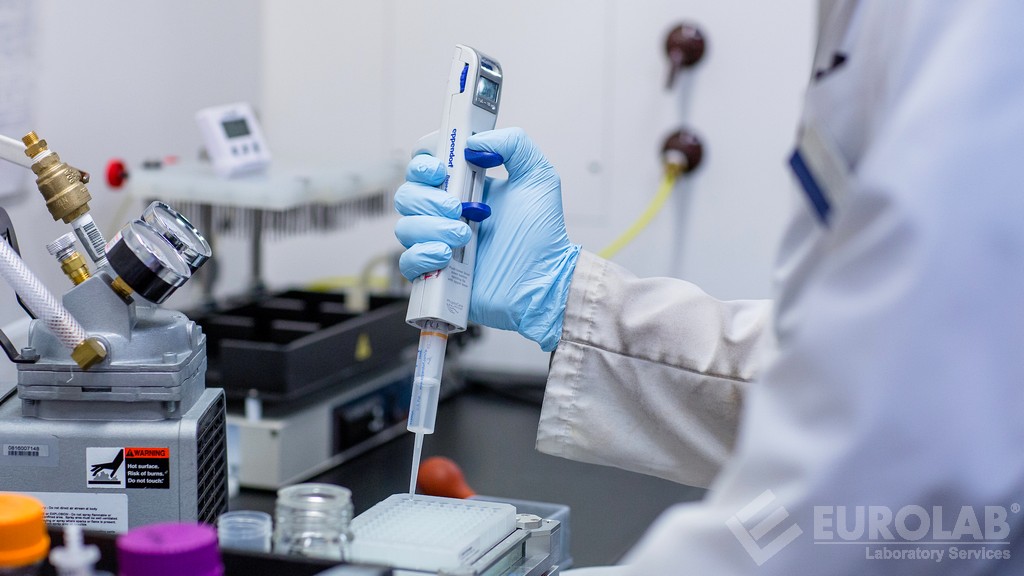

EPA 911 Radon in Water Test
The EPA 911 Radon in Water Test is a critical procedure designed to measure radon levels in water supplies. This test is particularly important for ensuring compliance with the Environmental Protection Agency's (EPA) standards and guidelines for safe drinking water. The test is essential for protecting public health by identifying potential risks associated with elevated radon concentrations.
Radon, a colorless, odorless, and tasteless gas, is a natural byproduct of the radioactive decay of uranium in soil and rock formations. When it enters groundwater sources or surface waters, it can dissolve into the water supply, posing health hazards if not properly managed. The EPA has set its action level for radon in drinking water at 15 pCi/L (picocuries per liter) to minimize potential adverse health effects.
The testing process involves collecting a representative sample of water from the source and sending it to an accredited laboratory for analysis using sophisticated instrumentation such as alpha spectrometry or liquid scintillation counting. The EPA's method 911 is specifically designed to ensure accurate measurement, with detailed procedures outlined in ISO/IEC 17025 standards.
Proper specimen preparation is crucial to the accuracy of the test results. Samples should be collected using clean polyethylene containers and sealed properly to prevent contamination. The samples must then be shipped to the laboratory within a specified time frame, typically not exceeding 48 hours from collection, to maintain their integrity.
The testing process itself involves several steps: initial sample preparation, digestion of the sample in acid or other reagents, and subsequent measurement using specialized equipment. The results are reported as picocuries per liter (pCi/L) with a precision that meets EPA guidelines. Reporting typically includes details on the sampling location, date, and conditions to provide comprehensive data.
The significance of this test cannot be overstated. It plays a vital role in water quality management by helping stakeholders identify potential risks early and implement necessary corrective actions. For instance, if elevated levels are detected, remediation measures can be initiated to reduce radon concentrations before they pose health risks.
Furthermore, compliance with EPA standards is essential for regulatory adherence and public trust. Non-compliance can lead to legal penalties and loss of credibility. This test ensures that water supplies meet the stringent requirements set by environmental regulations, safeguarding both human health and the environment.
The reliability and accuracy of this test are paramount. The use of advanced analytical techniques and adherence to strict protocols ensure reliable results. Regular monitoring is recommended for areas known to have high radon levels in soil or rock formations to maintain water quality standards continuously.
Why Choose This Test
Selecting the EPA 911 Radon in Water Test is essential for several reasons:
- Compliance with Regulations: Ensures that your water supply meets stringent EPA standards, thereby avoiding legal penalties and maintaining compliance.
- Health Protection: Reduces exposure to radon, minimizing the risk of lung cancer and other health issues associated with prolonged exposure.
- Reputation Enhancement: Demonstrates a commitment to public health by proactively addressing potential risks. This can enhance your organization's reputation among stakeholders.
- Peace of Mind: Knowing that your water supply is safe provides peace of mind for all users, from employees and residents to visitors.
The test offers a comprehensive approach to identifying radon levels in drinking water, providing detailed insights into the quality of your water supply. This information is invaluable for making informed decisions about remediation actions and maintaining regulatory compliance.
Customer Impact and Satisfaction
- Improved Water Quality: By identifying radon levels early, customers can take proactive measures to reduce exposure and improve water quality.
- Regulatory Compliance: Ensuring that your water supply meets EPA standards helps avoid legal issues and maintains a positive regulatory profile.
- Potential Cost Savings: Early detection allows for timely intervention, potentially reducing the need for more extensive remediation efforts. This can lead to significant cost savings in the long run.
- Enhanced Public Trust: Demonstrating a commitment to public health and safety fosters trust among stakeholders, including employees, residents, and visitors.
In summary, choosing the EPA 911 Radon in Water Test is a proactive approach that ensures water quality, regulatory compliance, and public health. It provides peace of mind and long-term benefits for all involved parties.
Use Cases and Application Examples
The EPA 911 Radon in Water Test finds application across various sectors:
- Residential Areas: Ensuring that homes, especially those built on or near radon-prone areas, have safe drinking water.
- Commercial Buildings: Protecting employees and visitors by maintaining compliant water supplies in commercial settings.
- Hospitals and Healthcare Facilities: Providing a safe environment for patients and staff by ensuring radon levels are within acceptable limits.
- Public Water Systems: Maintaining compliance with EPA standards to protect the general public from potential health risks.
In each of these scenarios, early detection through this test allows for timely interventions that can prevent costly and harmful situations. By implementing corrective measures at the first sign of elevated radon levels, stakeholders can ensure they are adhering to regulatory requirements while also safeguarding public health.