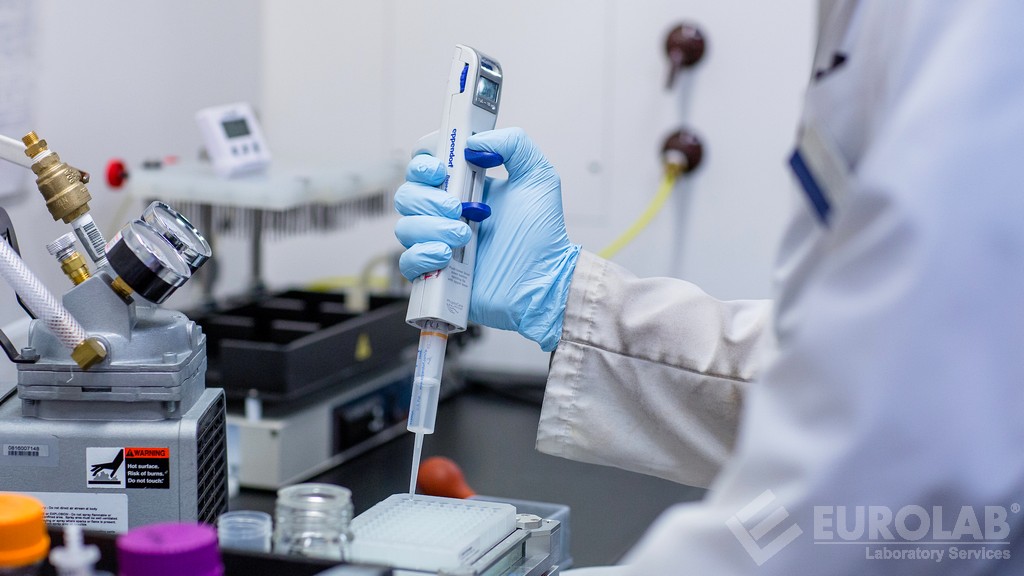

EP 2.6.1 Sterility Testing in European Pharmacopoeia
The EP 2.6.1 test is a critical procedure used to ensure the sterility of pharmaceutical products, especially those intended for parenteral administration or topical use. This test is particularly vital as it guarantees that no viable microorganisms are present within the product, thereby preventing potential infections and adverse effects on patients.
Compliance with this standard is essential for companies operating in Europe, ensuring they meet stringent regulatory requirements set by the European Medicines Agency (EMA) and the World Health Organization (WHO). The test is designed to be rigorous yet practical, balancing thoroughness with efficiency. It involves several stages, including preparation of culture media, aseptic sampling, inoculation onto growth media, incubation periods, and final interpretation of results.
The procedure outlined in EP 2.6.1 is comprehensive but also highly standardized to ensure consistency across laboratories. This standardization minimizes variability that could arise from different laboratory practices or environments. The test's significance cannot be overstated; it forms a crucial part of the quality assurance process for pharmaceutical products.
Understanding the specific requirements and nuances of EP 2.6.1 can help companies better prepare for compliance audits and ensure they are meeting all regulatory expectations. By adhering to this standard, organizations not only enhance their product safety but also build trust with customers and regulators alike.
To perform EP 2.6.1 effectively, laboratories must possess the necessary equipment such as laminar flow cabinets, incubators, and microbiological growth media. Personnel conducting these tests should be trained in aseptic techniques to prevent contamination of samples during handling and processing.
| Stage | Description |
|---|---|
| Sampling | Aseptically sample the product using a single-use device. |
| Inoculation | Inoculate the sampled product into suitable culture media. |
| Incubation | Incubate at 35°C ± 2°C for 14 days, and then again at 20-25°C ± 2°C for an additional 7 days. |
| Interpretation | Analyze the culture media to determine if any growth occurred that could indicate contamination. |
The rigorous nature of EP 2.6.1 ensures that only the highest quality products reach patients, contributing significantly to public health and safety. It is a testament to the commitment of pharmaceutical manufacturers towards producing safe, effective medications.
Applied Standards
- The European Pharmacopoeia (EP)
- ISO standards for microbiological testing
- ASTM E1096-14, Standard Practice for Testing Sterility of Biomedical Devices by Means of an Alternative Medium System
The EP 2.6.1 test is regulated under the European Pharmacopoeia, which provides a comprehensive set of guidelines and standards for pharmaceutical products. Compliance with these standards ensures that all tests are conducted consistently and to the highest quality.
Additionally, ISO and ASTM standards offer supplementary guidance on microbiological testing practices, providing further assurance of the robustness and reliability of the test. These international standards ensure that laboratories worldwide adhere to best practices in conducting sterility tests.
Scope and Methodology
| Stage | Description |
|---|---|
| Sampling | Aseptically sample the product using a single-use device. |
| Inoculation | Inoculate the sampled product into suitable culture media. |
| Incubation | Incubate at 35°C ± 2°C for 14 days, and then again at 20-25°C ± 2°C for an additional 7 days. |
| Interpretation | Analyze the culture media to determine if any growth occurred that could indicate contamination. |
The EP 2.6.1 test is designed to ensure that pharmaceutical products, particularly those for parenteral administration or topical use, are free from viable microorganisms. This ensures the safety and efficacy of these medications when administered to patients.
Sampling involves taking aseptic samples using single-use devices to prevent contamination. Inoculation follows with the product being introduced into suitable culture media where any potential microbial growth can be observed. Incubation periods are critical, as they allow for sufficient time for microorganisms to grow if present, making detection more accurate.
The final stage of interpretation involves analyzing the culture media for signs of microbial growth. If no growth is detected after both incubation periods, the product passes the test and meets the sterility requirement set by EP 2.6.1.
Why Choose This Test
- Comprehensive compliance with European regulations for pharmaceutical products.
- Reduces the risk of product contamination, enhancing patient safety.
- Ensures consistent quality across different batches and production runs.
- Provides a robust defense against regulatory scrutiny and audits.
The EP 2.6.1 test is an essential component of the pharmaceutical industry's quality assurance processes, ensuring that products meet stringent sterility requirements. This comprehensive approach not only enhances product safety but also supports compliance with international standards and regulations.
By choosing this test, companies can significantly reduce the risk of product contamination, thereby enhancing patient safety. The rigorous nature of EP 2.6.1 ensures consistent quality across different batches and production runs, providing a robust defense against regulatory scrutiny and audits.
The test is particularly beneficial for those developing new products or expanding into European markets, as it aligns with the stringent requirements set by the EMA and WHO. This alignment helps companies maintain a strong reputation in the industry and build trust with customers and regulators alike.