
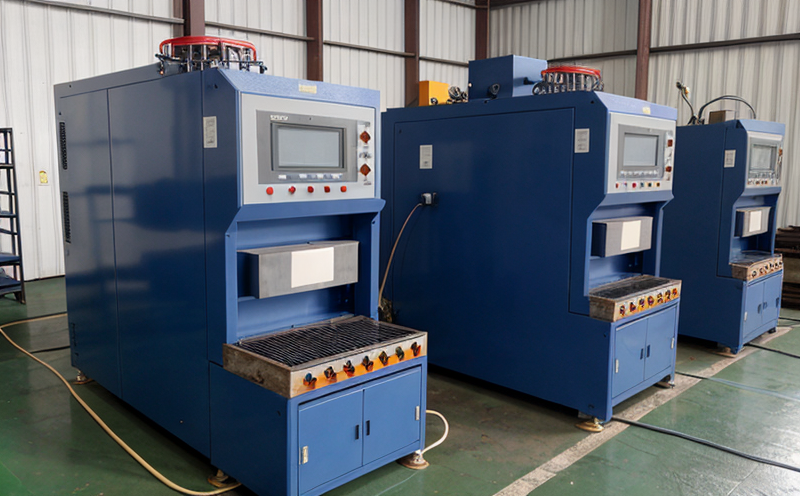
EN 933 Aggregates Particle Size Distribution Testing
The EN 933 standard specifies procedures for determining the particle size distribution of aggregates used in construction and civil engineering projects. This testing is crucial as it ensures that the aggregates meet the required specifications, which directly impacts the quality, performance, and durability of concrete structures.
Aggregates are essential components in cementitious mixtures such as concrete, mortar, and asphalt. The particle size distribution plays a pivotal role in determining how well these materials will bond together and perform under various conditions. For instance, if aggregates do not have the appropriate particle size distribution, it could lead to segregation during mixing, reduced workability of the mix, or even structural weaknesses.
The testing process outlined in EN 933 involves several steps, including sample preparation, sieving, and analysis using a laser diffraction analyzer. The goal is to obtain a detailed particle size distribution curve that shows the percentage of material retained on each sieve across a range of sizes. This data helps engineers and technicians make informed decisions about the suitability of aggregates for specific projects.
Proper testing ensures compliance with international standards, which is particularly important in global construction projects where materials may come from different regions or countries. It also supports quality assurance programs by providing objective evidence that the aggregates meet specified requirements. Additionally, this testing contributes to environmental sustainability by optimizing material usage and reducing waste.
Quality managers responsible for ensuring product consistency can rely on EN 933 tests to monitor changes in raw materials over time or after processing. Compliance officers need accurate particle size distribution data to verify that imported aggregates comply with local regulations and industry standards. R&D engineers benefit from this testing by gaining insights into how different particle sizes affect the properties of final products like concrete.
In summary, EN 933 tests are indispensable tools for industrial manufacturers and processors involved in construction materials production. They provide critical information necessary to maintain high-quality standards throughout supply chains and end-user applications.
Why It Matters
The quality of aggregates significantly influences the performance, durability, and cost-effectiveness of infrastructure projects. By accurately determining the particle size distribution according to EN 933, stakeholders can ensure that their materials meet stringent criteria set forth by international standards.
- Enhanced Quality Control: Ensures consistent quality across batches of aggregates used in construction projects.
- Better Mix Design: Provides valuable data for optimizing concrete mix proportions which results in stronger, more resilient structures.
- Environmental Benefits: Minimizes waste by ensuring optimal usage rates and reduces carbon footprint associated with transportation of oversized materials.
The importance of accurate particle size distribution cannot be overstated. It affects everything from the initial mixing process to long-term structural integrity. Misaligned particle sizes can cause issues ranging from reduced strength to increased porosity, thereby shortening the lifespan of built structures and increasing maintenance costs.
Customer Impact and Satisfaction
Customers involved in industrial manufacturing and processing expect consistent performance and reliability from their suppliers. When aggregate particle size distribution is tested rigorously, it translates into better-performing final products that meet or exceed customer expectations.
For instance, contractors who specify EN 933-compliant aggregates are more likely to achieve successful project outcomes with minimal issues. This not only enhances overall customer satisfaction but also fosters trust within the supply chain ecosystem. Procurement departments appreciate the peace of mind that comes from knowing they have reliable suppliers meeting strict quality benchmarks.
Moreover, adherence to international standards like EN 933 helps businesses expand into new markets where stringent regulatory requirements are in place. Meeting these standards signals to potential clients that your company is committed to excellence and can deliver high-quality products globally.
The ability to provide transparent documentation supporting compliance with international standards further strengthens relationships between suppliers and buyers, ultimately leading to greater customer loyalty and repeat business opportunities.
International Acceptance and Recognition
- Australia: The Australian standard AS/NZS 3846.1:2015 incorporates similar methodologies as EN 933, emphasizing the importance of particle size distribution in construction aggregates.
- New Zealand: New Zealand follows international practices by aligning its standards with those from other countries including the EU and USA.
- United States: ASTM C125-03a provides guidelines that closely parallel EN 933, focusing on the significance of particle size distribution in aggregate quality assessment.
The widespread adoption of similar standards across multiple regions underscores the global relevance and reliability of EN 933 testing. This uniformity allows seamless integration between different market segments worldwide, fostering greater collaboration among international partners involved in construction materials supply chains.