EN 15086 Heavy Metal Analysis in Cereal-Based Foods
The European Norm EN 15086 specifies methods for determining heavy metals and toxic elements in cereal-based foods. This testing is crucial for ensuring the safety of food products consumed by consumers, especially infants and children, who are more vulnerable to the adverse effects of these contaminants.
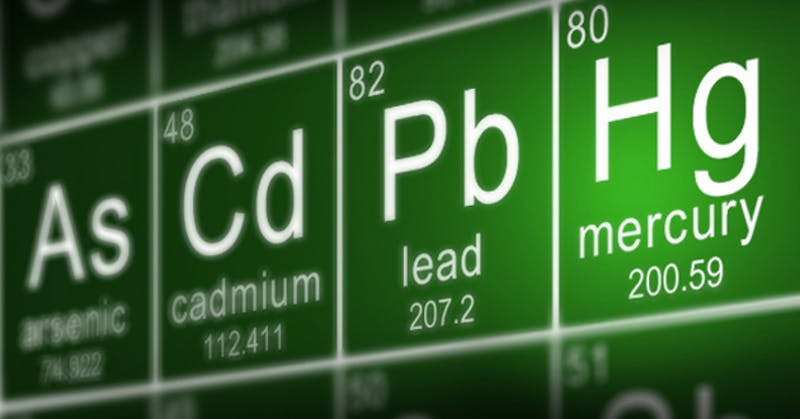
Heavy metals such as lead (Pb), cadmium (Cd), mercury (Hg), arsenic (As), and others can be introduced into cereal-based foods through various means including soil contamination, air pollution, or improper use of fertilizers. The presence of these elements at even trace levels can pose significant health risks if consumed in large quantities over time.
The primary goal of the EN 15086 protocol is to provide a standardized approach for laboratories to accurately and reliably detect heavy metal concentrations within cereal-based food products. This ensures that manufacturers, importers, distributors, and retailers can meet regulatory requirements set by authorities like the European Food Safety Authority (EFSA) and ensure consumer protection.
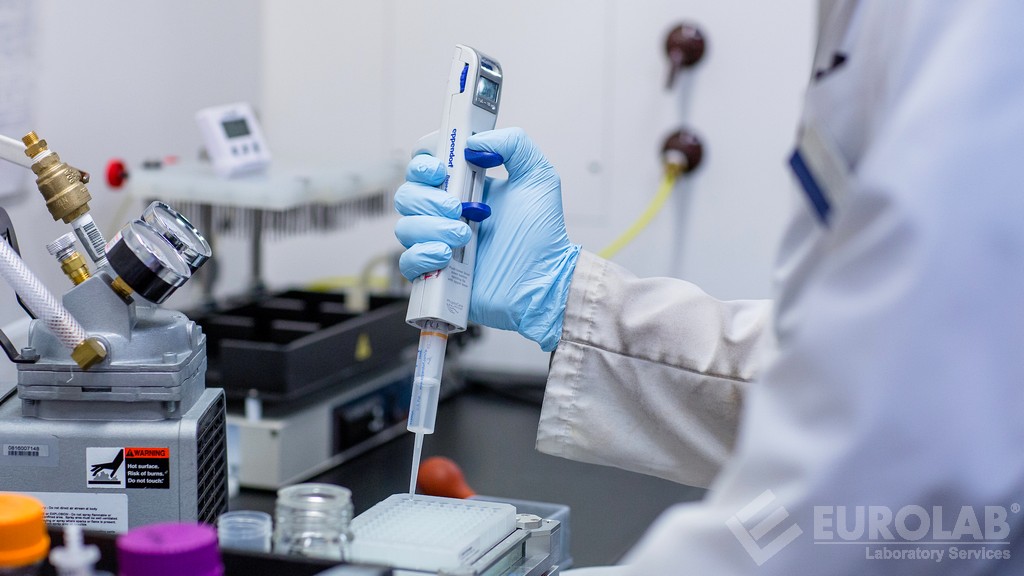
The testing process involves several key steps: sample preparation, digestion of samples using appropriate reagents, and instrumental analysis techniques such as Inductively Coupled Plasma Mass Spectrometry (ICP-MS). Each step is critical to achieving accurate results that comply with the specified limits outlined in EN 15086.
The testing protocol also emphasizes the importance of quality control measures throughout the entire procedure. This includes using certified reference materials, conducting blank tests, and ensuring proper calibration of analytical instruments. These practices help minimize errors and ensure consistent and reliable results across different batches or samples processed by various laboratories.
By adhering to EN 15086 standards, food manufacturers not only meet legal obligations but also enhance their reputation as responsible corporate citizens committed to protecting public health. Consumers can trust that the products they purchase are safe and free from harmful levels of heavy metals.
Why Choose This Test
The EN 15086 test is essential for several reasons:
- Regulatory Compliance: Ensures adherence to EU regulations on food safety and quality.
- Risk Management: Identifies potential sources of contamination early, allowing corrective actions to be taken promptly.
- Consumer Trust: Demonstrates a commitment to producing safe and high-quality products.
The test results provide valuable insights into the safety profile of cereal-based foods, helping stakeholders make informed decisions regarding production processes, raw material selection, and supply chain management. By leveraging EN 15086-compliant testing services, organizations can gain a competitive advantage by maintaining strong relationships with customers while minimizing legal risks associated with non-compliance.
Customer Impact and Satisfaction
Implementing the EN 15086 test has numerous benefits for customers:
- Health Protection: Ensures that consumers, especially those who are more susceptible to heavy metal poisoning due to age or health conditions, receive safe products.
- Brand Reputation: Enhances the reputation of food manufacturers and retailers by demonstrating a commitment to quality and safety standards.
- Supply Chain Integrity: Supports a transparent supply chain where all participants are held accountable for maintaining high standards of product integrity.
A satisfied customer is one who feels confident that their purchases meet stringent safety criteria. By offering reliable heavy metal analysis services, laboratories contribute significantly to fostering this confidence among consumers and stakeholders alike.
Use Cases and Application Examples
| Use Case | Description |
|---|---|
| Cereal Manufacturer | Ensures that raw materials meet specified limits for heavy metals before processing. |
| Distributor | Verifies the quality of incoming shipments to prevent contaminated products from reaching retail shelves. |
| Retailer | Protects its brand image by guaranteeing that only safe cereal-based foods are sold to customers. |
| Application Example | Description |
|---|---|
| Infant Formula Manufacturer | Conducts periodic testing on all ingredients to ensure compliance with strict EU limits for heavy metals. |
| Organic Food Supplier | Maintains rigorous quality control measures by regularly analyzing samples from different batches of organic cereals. |