
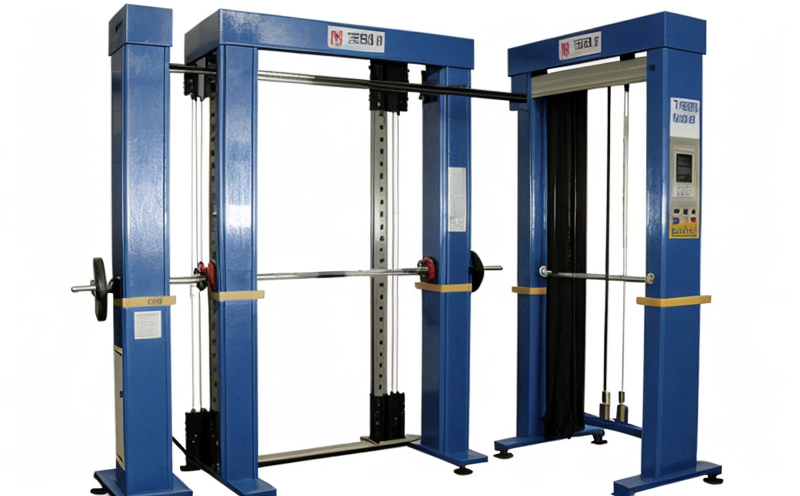
DIN 53854 Determination of fabric thickness
The DIN 53854 standard provides a method to determine the average thickness of fabrics. This is a crucial measurement in textile testing as it helps assess the quality and durability of materials used in various industries such as fashion, automotive, and furniture.
When determining fabric thickness according to DIN 53854, the sample is clamped between two parallel plates that are kept at a constant distance. The force required to separate these plates is measured using a micrometer or similar device. This method ensures precise measurement of the thickness across different types of fabrics.
The testing process begins with selecting an appropriate sample size and ensuring it is representative of the fabric being tested. Sample preparation involves cutting out sections from the fabric that are large enough for accurate measurements but small enough to minimize distortion during testing. The samples must be conditioned according to specified humidity and temperature conditions before testing to ensure consistency.
The DIN 53854 method allows for both manual and automated measurement systems, providing flexibility depending on the laboratory's capabilities and preferences. Automated systems can offer higher precision and repeatability compared to manual methods due to consistent application of force and minimal human error.
Understanding the results from this test is essential for quality assurance in manufacturing processes. Thickness variations within a batch or between different batches can indicate inconsistencies in production techniques, which might affect the overall performance of the final product. For instance, thinner fabrics may stretch more easily under stress, leading to potential durability issues.
Additionally, knowing the exact thickness helps manufacturers meet specific customer requirements or comply with industry standards. It also aids in comparing different suppliers' products effectively and making informed decisions about material selection based on cost versus performance trade-offs.
It's important to note that while DIN 53854 provides a standardized approach to fabric thickness determination, other factors like tensile strength and tear resistance play significant roles in evaluating the overall quality of fabrics. These additional tests complement each other by offering comprehensive insights into how well a particular material will perform under various conditions.
In summary, mastering DIN 53854 ensures accurate measurement of fabric thickness, which is vital for maintaining high standards in textile production across diverse sectors including fashion, automotive, and furniture manufacturing. By adhering to this standard, laboratories can contribute significantly towards ensuring product quality and meeting international specifications.
Scope and Methodology
The scope of DIN 53854 covers the determination of average fabric thickness using a micrometer or similar measuring instrument. This includes both woven and non-woven fabrics, as well as various types of textiles used in different industries.
- Apparatus: The primary equipment required includes a precision micrometer with an accuracy of ±0.1 mm, two parallel plates that can be adjusted to maintain a constant distance between them, and a weight system for applying consistent force.
- Sample Preparation: Samples should be cut from the fabric according to specified dimensions and conditioned under controlled environmental conditions before testing.
- Procedure: Place one sample between the parallel plates with a known mass placed on top. Gradually increase the applied load until the sample separates, recording the force at which separation occurs. Repeat this process multiple times for each sample to obtain an average value.
The methodology outlined in DIN 53854 ensures that all measurements are conducted under identical conditions, making it possible to compare results across different laboratories or over time within a single laboratory. Compliance with these procedures guarantees consistent and reliable data which is critical for making informed decisions regarding textile quality control.
Industry Applications
DIN 53854 plays a vital role in the textile industry by providing accurate measurements of fabric thickness, which directly impacts product performance and customer satisfaction. Here are some key areas where this standard finds application:
- Fashion Industry: Designers rely on fabric thickness to ensure garments fit well and maintain their shape over time.
- Automotive Sector: Car manufacturers use precise fabric measurements during the design phase to select materials that provide optimal comfort while being durable enough for long-term use.
- Furniture Manufacturing: Interior designers and furniture makers need accurate thickness readings when selecting upholstery fabrics to achieve desired aesthetics and functionality.
- Military Applications: The military requires specific fabric thicknesses for protective gear, ensuring both comfort and protection from potential threats.
In each of these industries, understanding the exact thickness of fabrics is essential for quality assurance purposes. Whether it's meeting customer expectations or regulatory requirements, accurate measurement ensures that the final products meet necessary standards and perform as expected under real-world conditions.
International Acceptance and Recognition
DIN 53854 has gained significant recognition across multiple countries due to its reliability and consistency. Here’s a list of regions where this standard is widely accepted:
- Germany: As the originator of DIN standards, Germany fully supports and utilizes DIN 53854 within its industries.
- European Union: Many EU member states incorporate DIN 53854 into their national regulations, ensuring harmonized practices throughout Europe.
- United States: While not a direct equivalent to DIN standards, the American Society for Testing and Materials (ASTM) also recognizes similar methodologies in its own standards.
- Australia/New Zealand: Standards Australia/Standards New Zealand have adopted this method into their respective national standards.
The widespread acceptance of DIN 53854 reflects its importance in ensuring consistent quality across borders. By adhering to these internationally recognized methods, laboratories can confidently produce reliable results that are respected worldwide.