Chemical Handling Safety Certification
The certification of chemical handling safety is a critical aspect in sectors such as healthcare, manufacturing, and research. This certification ensures that the processes used for handling chemicals are compliant with international standards, minimizing risks to personnel and the environment.
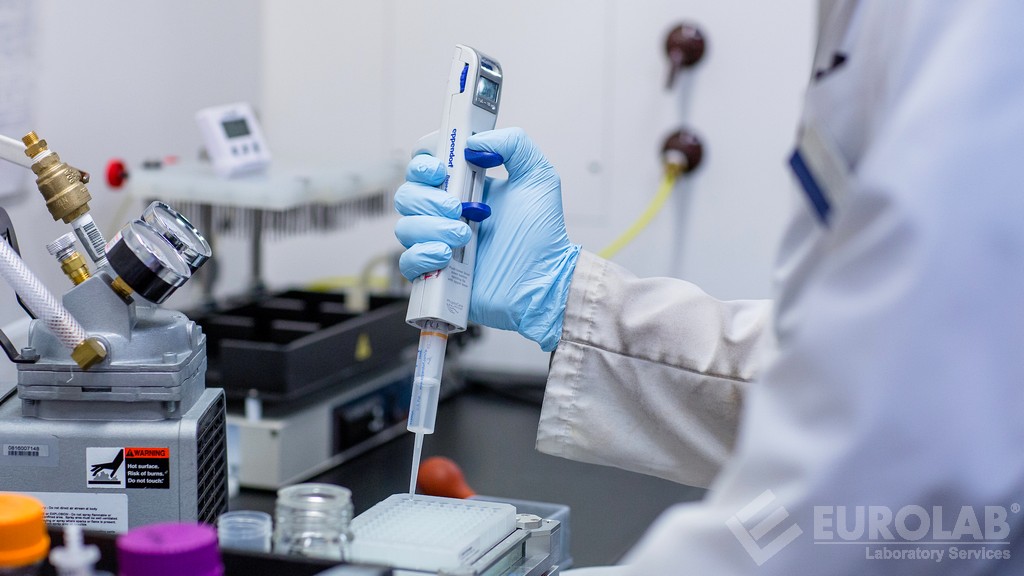
Our laboratory provides comprehensive testing services aimed at certifying that chemical handling procedures are safe and efficient. The tests focus on evaluating the potential hazards associated with different chemicals, ensuring the proper use of personal protective equipment (PPE), and verifying the suitability of containment facilities like storage tanks, fume hoods, and spill response kits.
The testing process involves multiple stages, including initial hazard assessment, simulation of handling scenarios, and validation of emergency procedures. Our expert team adheres to stringent international standards such as ISO 14036:2015, ASTM D7873-19, EN 149:2009, and IEC 61900-1 for accurate results.
One of the key aspects of our certification is the evaluation of chemical compatibility. This involves determining whether different chemicals can be safely mixed or stored together without causing harmful reactions. The test also checks the effectiveness of spill containment measures in case of accidental releases. Additionally, we assess the adequacy of ventilation systems to prevent inhalation hazards.
For hazardous materials like flammable liquids and reactive chemicals, our tests ensure that all personnel are adequately trained and equipped with appropriate PPE. This includes not only the selection of proper gloves and goggles but also the design and layout of workspaces to minimize risks.
The final step in our certification process is the evaluation of emergency response plans. This involves simulating various scenarios where chemicals could be involved in an accident, assessing the effectiveness of current protocols, and suggesting improvements if necessary. By doing so, we help organizations prepare for potential incidents, thereby enhancing safety standards across operations.
Our laboratory’s commitment to chemical handling safety certification is reflected in our rigorous testing methods and adherence to international best practices. We ensure that every aspect of your chemical handling processes meets the highest standards of safety and compliance.
Industry Applications
| Industry Sector | Specific Chemicals |
|---|---|
| Healthcare | Hazardous waste, cytotoxic agents |
| Pharmaceuticals | Solvents, APIs (Active Pharmaceutical Ingredients) |
| Manufacturing | Petrochemicals, solvents, acids |
| Research and Development | New materials, experimental chemicals |
The chemical handling safety certification is vital across various industries. In healthcare settings, it ensures the safe disposal of hazardous waste and cytotoxic agents used in chemotherapy. For pharmaceutical companies, this certification guarantees the proper handling of solvents and APIs to prevent contamination and ensure product quality.
In manufacturing plants, the focus shifts towards handling petrochemicals and solvents safely to avoid explosions and other hazards. Research institutions benefit from this certification by ensuring that experimental chemicals are handled correctly, reducing risks during development phases.
Why Choose This Test
The chemical handling safety certification is essential for several reasons. Firstly, it provides peace of mind to personnel working with hazardous chemicals by ensuring they are protected against potential risks. Secondly, compliance with this certification can prevent costly legal and regulatory penalties associated with non-compliance.
Moreover, certified chemical handling processes enhance brand reputation and customer trust. Organizations that demonstrate a commitment to safety in their operations are viewed more favorably by stakeholders including employees, clients, and regulatory bodies.
The test also aids in identifying areas for improvement within existing chemical handling procedures. By simulating real-world scenarios, we can pinpoint weaknesses in current practices and recommend corrective actions. This proactive approach ensures continuous improvement of safety protocols over time.
Environmental and Sustainability Contributions
- Reduces the risk of chemical spills leading to environmental contamination.
- Promotes safer disposal methods for hazardous waste, minimizing ecological impact.
- Encourages the use of less harmful chemicals in production processes.
- Supports the development of sustainable practices within organizations by focusing on safety first.
The certification process not only protects human health but also contributes significantly to environmental sustainability. By reducing the likelihood of chemical spills and promoting safer disposal methods, we help mitigate ecological damage caused by hazardous substances.
Furthermore, encouraging the use of less harmful chemicals in production processes aligns with broader sustainability goals. This shift towards more environmentally friendly alternatives helps reduce overall pollution levels and supports global efforts toward greener industries.