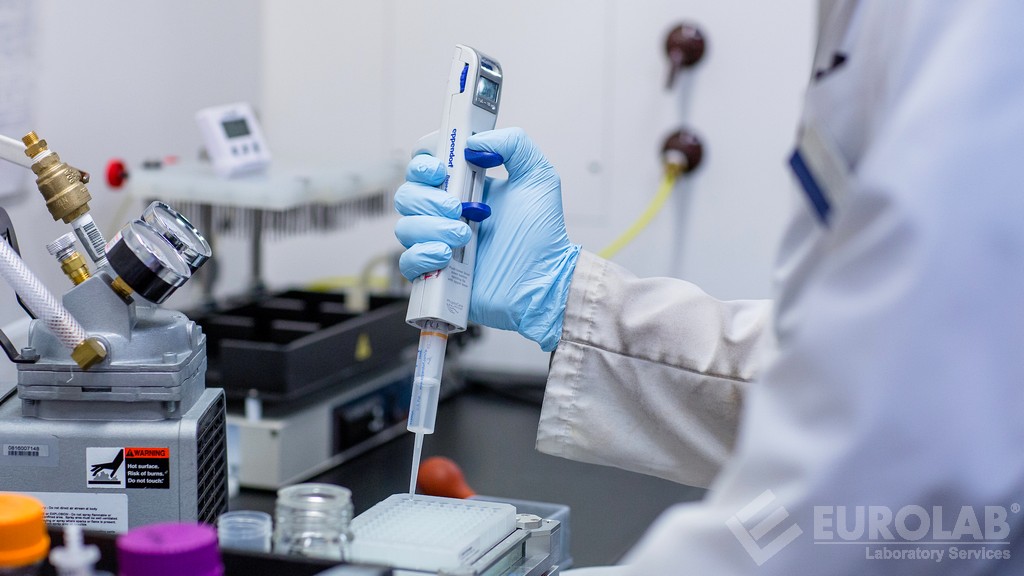

Calibration Certification
In today's highly regulated and technologically advanced world, the accuracy of measurement instruments is paramount. Calibration certification ensures that these instruments are functioning within specified tolerances, thereby maintaining consistency across various industries. This service is essential for ensuring compliance with international standards such as ISO/IEC 17025, which governs the competence of testing and calibration laboratories.
Calibration involves comparing an instrument's measurement to a reference standard. The process ensures that all instruments in a facility are aligned to a common standard, typically traceable to national or international standards such as NIST (National Institute of Standards and Technology). This alignment is crucial for industries where precision is critical, including pharmaceuticals, electronics manufacturing, automotive design, aerospace engineering, and environmental monitoring.
Calibration certification not only enhances the reliability of the instruments but also supports continuous quality improvement. It helps in identifying potential issues early on, which can prevent costly mistakes further down the line. For instance, in an R&D setting, precise calibration ensures that experimental results are accurate and reproducible. In a manufacturing environment, it guarantees consistent product quality.
The process of calibration certification is not merely about setting instruments to a certain standard; it involves thorough documentation and adherence to international standards such as ISO/IEC 17025. This includes detailed records of the calibration process, including traceability statements, which are critical for regulatory compliance. Compliance officers rely on this service to ensure that all instruments used in their operations meet the stringent requirements set forth by relevant authorities.
Quality assurance is a key component of calibration certification. By certifying instruments regularly, laboratories can provide consistent and reliable results. This is particularly important in sectors where slight variations could lead to significant discrepancies. For example, in environmental monitoring, calibrated instruments ensure that pollution levels are accurately reported, which is crucial for regulatory compliance.
Another critical aspect of this service is the traceability of calibration standards. Traceability ensures that all measurements can be related back to a primary standard, usually through a chain of comparisons involving secondary and tertiary standards. This is especially important in sectors where precision is critical, such as pharmaceuticals or electronics manufacturing. In these industries, any discrepancy could lead to significant financial losses or even safety hazards.
The process of calibration certification also involves periodic re-calibration to ensure that instruments remain accurate over time. This prevents drift, a common issue with many instruments that can lead to inaccurate measurements if not addressed promptly. Regular re-certification ensures that all instruments are up-to-date and compliant with current standards.
For quality managers, the importance of calibration certification cannot be overstated. It provides them with the assurance that their facilities are operating at peak performance levels. This is particularly important in sectors where compliance with international standards is mandatory. In such cases, failure to meet these standards can result in hefty fines or even closure of the facility.
In conclusion, calibration certification is a critical service for maintaining accuracy and reliability in measurement instruments across various industries. It ensures that all measurements are consistent and compliant with international standards, thereby supporting continuous quality improvement. This service is essential not only for regulatory compliance but also for ensuring the safety and reliability of products and processes.
Why It Matters
The accuracy of measurement instruments is fundamental to the integrity and efficiency of numerous industries. Calibration certification ensures that these instruments are functioning correctly, thereby maintaining consistency across various sectors.
In pharmaceuticals, for instance, precision in measurements is critical for ensuring product quality and safety. Any deviation from specified tolerances could lead to sub-standard products or even unsafe medications. In electronics manufacturing, calibration ensures that components meet the required specifications, which is crucial for producing high-quality products.
Environmental monitoring also relies heavily on calibrated instruments to ensure accurate pollution levels are reported. This data is used by regulatory bodies to enforce environmental policies effectively. Without accurate measurements, these policies could be undermined, leading to potential harm to both human health and the environment.
In aerospace engineering, precision in measurements can mean the difference between mission success and failure. Even slight inaccuracies in instrument readings can have catastrophic consequences. Calibration certification ensures that all instruments used in this sector are functioning correctly, thereby reducing the risk of such errors.
Calibration certification also supports continuous quality improvement across various industries. It helps identify potential issues early on, which can prevent costly mistakes further down the line. For example, in an R&D setting, precise calibration ensures that experimental results are accurate and reproducible, leading to better-informed decision-making.
In a manufacturing environment, it guarantees consistent product quality by ensuring that all instruments used in production processes meet specified tolerances. This is crucial for maintaining customer satisfaction and ensuring compliance with industry standards.
Compliance officers rely on this service to ensure that all instruments used in their operations meet the stringent requirements set forth by relevant authorities. By doing so, they can avoid costly penalties and maintain a positive reputation for their organization.
The importance of calibration certification cannot be overstated. It provides assurance that facilities are operating at peak performance levels, which is particularly important in sectors where compliance with international standards is mandatory. Failure to meet these standards can result in hefty fines or even closure of the facility.
Eurolab Advantages
At Eurolab, we pride ourselves on providing high-quality calibration certification services that are tailored to meet the unique needs of your organization. Our team of experienced professionals ensures that all instruments are calibrated according to international standards such as ISO/IEC 17025.
We offer a wide range of calibration services for various instruments, including but not limited to temperature sensors, pressure gauges, pH meters, and more. Our laboratories are equipped with state-of-the-art equipment that ensures accurate and reliable measurements. This is particularly important in sectors where precision is critical, such as pharmaceuticals or electronics manufacturing.
Our team of experts provides thorough documentation and traceability statements for all calibration processes. These documents are crucial for regulatory compliance and ensure that all measurements can be related back to a primary standard. Traceability ensures that the accuracy of measurements remains consistent over time, which is essential for maintaining high-quality standards.
We also offer periodic re-calibration services to ensure that instruments remain accurate over time. This prevents drift, a common issue with many instruments that can lead to inaccurate measurements if not addressed promptly. Regular re-certification ensures that all instruments are up-to-date and compliant with current standards.
At Eurolab, we understand the importance of compliance in various industries. Our services support continuous quality improvement by identifying potential issues early on, which can prevent costly mistakes further down the line. For example, in an R&D setting, precise calibration ensures that experimental results are accurate and reproducible, leading to better-informed decision-making.
In a manufacturing environment, it guarantees consistent product quality by ensuring that all instruments used in production processes meet specified tolerances. This is crucial for maintaining customer satisfaction and ensuring compliance with industry standards.
Our compliance officers can rely on this service to ensure that all instruments used in their operations meet the stringent requirements set forth by relevant authorities. By doing so, they can avoid costly penalties and maintain a positive reputation for their organization.
The importance of calibration certification cannot be overstated. It provides assurance that facilities are operating at peak performance levels, which is particularly important in sectors where compliance with international standards is mandatory. Failure to meet these standards can result in hefty fines or even closure of the facility.
Quality and Reliability Assurance
The accuracy of measurement instruments is fundamental to the integrity and efficiency of numerous industries. Calibration certification ensures that these instruments are functioning correctly, thereby maintaining consistency across various sectors.
In pharmaceuticals, for instance, precision in measurements is critical for ensuring product quality and safety. Any deviation from specified tolerances could lead to sub-standard products or even unsafe medications. In electronics manufacturing, calibration ensures that components meet the required specifications, which is crucial for producing high-quality products.
Environmental monitoring also relies heavily on calibrated instruments to ensure accurate pollution levels are reported. This data is used by regulatory bodies to enforce environmental policies effectively. Without accurate measurements, these policies could be undermined, leading to potential harm to both human health and the environment.
In aerospace engineering, precision in measurements can mean the difference between mission success and failure. Even slight inaccuracies in instrument readings can have catastrophic consequences. Calibration certification ensures that all instruments used in this sector are functioning correctly, thereby reducing the risk of such errors.
Calibration certification also supports continuous quality improvement across various industries. It helps identify potential issues early on, which can prevent costly mistakes further down the line. For example, in an R&D setting, precise calibration ensures that experimental results are accurate and reproducible, leading to better-informed decision-making.
In a manufacturing environment, it guarantees consistent product quality by ensuring that all instruments used in production processes meet specified tolerances. This is crucial for maintaining customer satisfaction and ensuring compliance with industry standards.
Compliance officers rely on this service to ensure that all instruments used in their operations meet the stringent requirements set forth by relevant authorities. By doing so, they can avoid costly penalties and maintain a positive reputation for their organization.
The importance of calibration certification cannot be overstated. It provides assurance that facilities are operating at peak performance levels, which is particularly important in sectors where compliance with international standards is mandatory. Failure to meet these standards can result in hefty fines or even closure of the facility.