
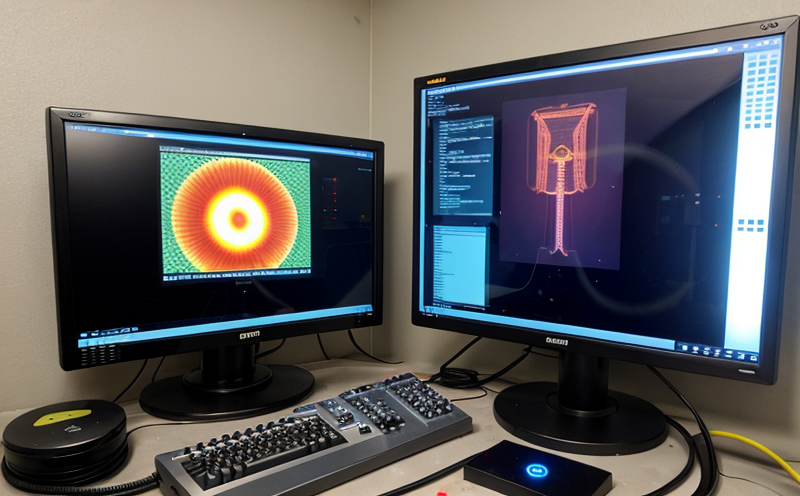
BS EN 50121 EMC Testing for Railway Applications in the UK
The BS EN 50121 standard is a crucial framework designed to ensure that electrical and electronic equipment used in railway environments meets stringent electromagnetic compatibility (EMC) requirements. This standard aims to protect both passenger safety and operational reliability by minimizing interference caused by unintentional emissions and susceptibility to external electromagnetic fields.
Electromagnetic Compatibility (EMC) testing under BS EN 50121 is mandatory for all new railway equipment intended for use within the UK rail network, as stipulated in the Railway Safety Regulations. Failure to comply can lead to significant delays in product release and even potential safety hazards if equipment fails to function correctly.
The standard covers a wide range of railway applications including signaling systems, communication devices, power supplies, and train control systems. It specifies detailed test procedures designed to evaluate both conducted emissions (EMI) and radiated emissions (EMR). The tests are not only aimed at protecting against interference but also ensuring that equipment can operate safely alongside other sources of electromagnetic radiation.
Testing under this standard is particularly important given the complex nature of modern railway systems. Interference between different pieces of equipment could lead to malfunctions, safety issues, and even derailments in extreme cases. By ensuring adherence to BS EN 50121, manufacturers can help prevent these risks while maintaining high standards of service.
The testing process involves multiple stages, each designed to assess a specific aspect of EMC performance. These include emission tests to ensure that the equipment does not produce excessive electromagnetic interference, immunity tests to check resistance against external electromagnetic fields, and more complex integration tests that simulate real-world operating conditions.
For quality managers and compliance officers responsible for ensuring product integrity within the railway sector, understanding these testing requirements is essential. This includes knowing how to prepare specimens correctly according to the standard’s specifications, selecting appropriate test facilities, and interpreting results accurately.
R&D engineers working on new designs will find BS EN 50121 invaluable as it provides a structured approach to addressing potential EMC issues early in the design phase. Proper planning based on this standard can save time and costs later when finalizing product specifications.
For procurement teams, ensuring suppliers adhere to these standards ensures that they meet regulatory requirements and maintain consistent quality across multiple projects.
The comprehensive nature of BS EN 50121 makes it an indispensable tool for anyone involved in railway equipment development or maintenance. Its rigorous testing protocols help create safer, more reliable products contributing positively towards overall rail safety.
Scope and Methodology
The scope of BS EN 50121 EMC Testing for Railway Applications in the UK encompasses various types of electrical and electronic equipment used within railway environments. This includes signaling systems, communication devices such as radios and telephones, power supplies, train control systems, and other related components.
Testing under this standard involves several key methodologies aimed at evaluating different aspects of electromagnetic compatibility:
- Emission Tests: These tests measure the level of electromagnetic interference generated by the equipment. They are crucial for preventing unwanted signals from affecting nearby devices or systems.
- Immunity Tests: These assess how well the equipment can function in the presence of external electromagnetic fields. This ensures that the system remains operational even when exposed to strong signals which could otherwise cause malfunctions.
- Integration Tests: These simulate real-world operating conditions where multiple devices work together. They help identify any potential conflicts or issues arising from interactions between different parts of a railway network.
The methodology also includes detailed procedures for preparing specimens, setting up test environments, and interpreting results accurately. Compliance officers need to ensure that all steps are followed precisely to guarantee reliable outcomes.
Manufacturers must consider these methodologies during the design phase so they can incorporate necessary features early on rather than having to make costly changes later. Proper planning based on these guidelines helps streamline the development process while ensuring high standards of quality and safety.
Eurolab Advantages
As a leading provider of BS EN 50121 EMC Testing for Railway Applications in the UK, Eurolab offers several unique advantages that set it apart from other testing laboratories:
- Expertise and Experience: With years of experience in railway equipment testing, our team comprises experts who understand the specific challenges faced by this sector.
- State-of-the-Art Facilities: Our advanced testing facilities are equipped with cutting-edge instrumentation capable of performing rigorous EMC tests according to international standards.
- Prompt Turnaround Times: We pride ourselves on delivering quick results without compromising on accuracy or quality. This is particularly important for busy R&D teams looking to bring products to market swiftly.
- Comprehensive Reporting: Our reports are detailed and easy-to-understand, providing clear insights into any areas where improvements might be needed along with recommendations for corrective actions.
- Compliance Support <|im_start|><|im_start|>GuidId