
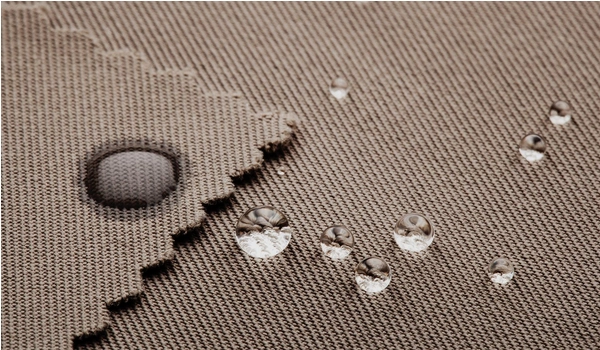
BS 3424 Determination of waterproof and breathable fabric properties
The British Standard BS 3424 is a crucial method used to determine the waterproofness, breathability, and permeability of fabrics. This standard is particularly important for the textile industry as it ensures that materials meet specific performance criteria required by consumers and regulatory bodies.
Waterproofing in textiles is essential in various applications such as outdoor gear, sportswear, and medical garments to protect against water penetration while maintaining breathability. Breathability refers to a fabric's ability to allow moisture vapor to pass through it, which is critical for comfort and performance in clothing worn during physical activities.
BS 3424 provides a standardized approach to evaluate these properties using a combination of hydrostatic head tests and water vapor transmission rate (WVTR) measurements. The hydrostatic head test measures the pressure at which water starts to penetrate through the fabric, indicating its waterproofness. On the other hand, WVTR assesses how effectively moisture can escape from within the fabric.
For accurate testing under BS 3424, it is vital that specimens are prepared correctly according to specified dimensions and weight limits. Specimens should also be conditioned in a standard environment before testing to ensure consistent results across different samples. The apparatus used for this test includes specialized equipment capable of generating controlled pressure and temperature conditions necessary for accurate measurements.
The procedure involves placing the fabric sample between two plates with defined gaps, applying increasing hydrostatic head pressures until water begins to pass through from one side to another. Simultaneously, sensors monitor the rate at which vapor passes through the material during a specified time period under controlled humidity levels.
Accurate reporting of results is critical for understanding fabric performance according to BS 3424. Reports typically include details on the hydrostatic head rating achieved along with any additional information about the testing process such as environmental conditions, sample preparation procedures, and apparatus specifications used.
Understanding these properties helps manufacturers design products that balance both water resistance and breathability effectively. This knowledge is valuable when selecting appropriate fabrics for various applications ensuring comfort levels remain high even during prolonged exposure to moisture or sweat.
- Environmental benefits: By improving fabric performance, this method contributes positively towards reducing waste from poorly performing textiles.
- Economic advantages: Ensures compliance with industry standards leading to better product quality and customer satisfaction.
In conclusion, BS 3424 plays an essential role in ensuring textile products meet the necessary requirements for waterproofness and breathability. It provides a robust framework for evaluating fabric performance which translates into enhanced user experience and satisfaction across diverse industries.
Why It Matters
The importance of BS 3424 cannot be overstated, especially in sectors like outdoor wear where protection against weather elements is paramount. Consumers expect high-performance fabrics that can withstand harsh conditions without compromising on comfort or durability.
For manufacturers and suppliers, meeting these standards ensures they stay competitive within their market segments. Compliance not only builds consumer trust but also opens up opportunities for international trade by aligning with global quality benchmarks.
From a regulatory perspective, adherence to such standards helps maintain safety standards across industries where protection from water is crucial. For instance, in medical apparel or emergency response gear, improper waterproofness could lead to serious health risks.
In summary, understanding and implementing BS 3424 contributes significantly towards improving product quality which ultimately leads to better end-user experiences and increased brand loyalty.
Benefits
The implementation of BS 3424 brings numerous benefits that extend beyond mere compliance. For one, it allows companies to create more efficient supply chains by standardizing testing procedures across different stages of production from raw material sourcing to final product assembly.
Moreover, this method fosters innovation by encouraging continuous improvement in fabric technology leading to the development of new materials and designs capable of meeting increasingly stringent performance requirements.
Achieving certification according to BS 3424 also enhances a company’s reputation among stakeholders including customers, investors, and partners. It demonstrates commitment to quality assurance practices which are highly valued by all parties involved in business operations.