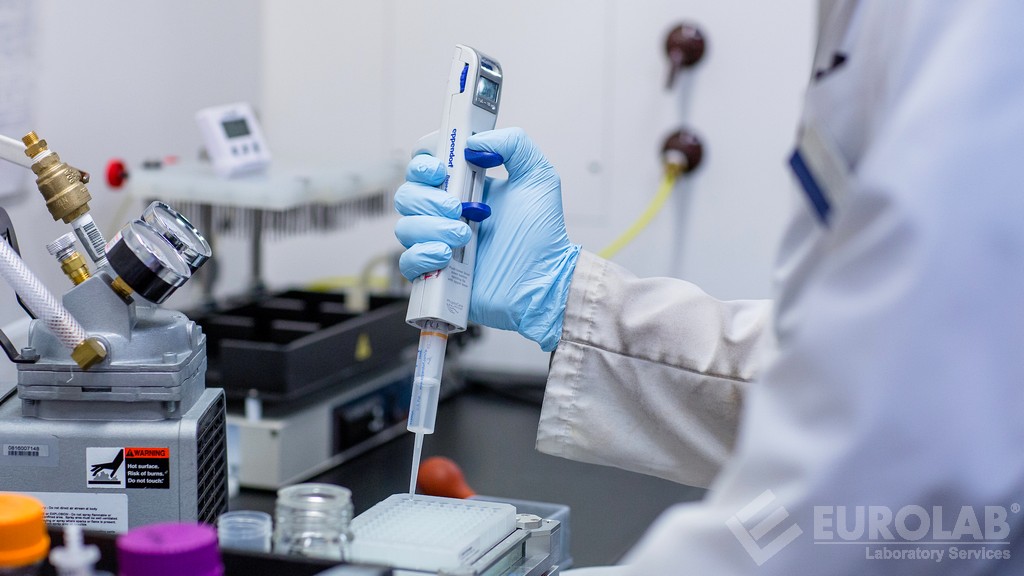

Authentication Mechanism Testing for Device Access
The integrity and security of medical devices are paramount in ensuring patient safety and compliance with regulatory standards. Authentication mechanism testing plays a critical role in safeguarding device access, which is essential to prevent unauthorized users from gaining control over the device. This process ensures that only authorized personnel can operate or interact with the device, thereby maintaining the trustworthiness of the system.
Medical devices are often connected to networks, making them vulnerable to cyber threats. The authentication mechanism testing for device access involves a series of procedures designed to evaluate and enhance the security protocols in place. This includes verifying that user credentials meet established criteria before granting access to the device’s functionalities. By conducting thorough testing, we can identify potential vulnerabilities and recommend improvements to strengthen the overall security posture.
The process typically begins with an initial risk assessment aimed at identifying critical areas where authentication mechanisms could fail. Following this evaluation, various tests are conducted using simulated attacks designed to mimic real-world scenarios. These tests cover different aspects such as password complexity checks, multi-factor authentication (MFA) implementation, and biometric verification methods. Each test is carefully documented to ensure that all relevant factors are considered during the analysis.
One key aspect of this testing involves examining how well the device handles various types of attacks. For instance, we simulate brute force attempts where multiple incorrect password inputs are made in rapid succession. Another scenario includes phishing attacks aimed at tricking users into providing sensitive information. By replicating these situations, we can assess whether the authentication system effectively blocks unauthorized access while minimizing false positives.
Another crucial element of this testing is ensuring that the device adheres to relevant international standards like ISO/IEC 27032 and IEC 62386. Compliance with these standards not only enhances security but also demonstrates our commitment to maintaining high ethical practices within the industry. Additionally, we ensure that all updates and patches are thoroughly tested before deployment, further reinforcing the robustness of the authentication mechanisms.
In summary, authentication mechanism testing for device access is an essential component in protecting medical devices against cyber threats. Through rigorous evaluation processes, we help manufacturers create more secure products capable of withstanding even sophisticated attacks. This ensures that patients receive reliable care from trusted systems that uphold stringent quality and reliability standards.
- Identifies potential vulnerabilities in authentication protocols
- Ensures compliance with international security standards
- Evaluates resilience against simulated cyber-attacks
- Supports continuous improvement through regular patch testing
Quality and Reliability Assurance
The quality and reliability of medical devices are crucial for maintaining patient safety and trust in healthcare systems worldwide. Ensuring that these devices function correctly under all intended conditions is essential, especially when it comes to authentication mechanisms. In our laboratory, we employ stringent quality control measures throughout the entire testing process to guarantee accurate results.
Our team utilizes state-of-the-art equipment and software tools specifically designed for medical device analysis. These resources allow us to simulate various operational environments that a device might encounter during use. By subjecting each component of the authentication system to these simulations, we can verify its performance across different scenarios, including normal operation, stress testing, and failure modes.
A significant part of our quality assurance efforts focuses on ensuring consistent accuracy in test outcomes. We achieve this by implementing strict calibration procedures for all instruments used during the evaluation process. This ensures that every measurement taken is precise and repeatable, which contributes significantly to reliable overall results. Furthermore, we maintain detailed records of each test conducted, including initial setup configurations, any modifications made mid-process, and final conclusions drawn from those tests.
Reliability assurance extends beyond just functional correctness; it also encompasses long-term durability and stability. To this end, our laboratory subjects devices to accelerated aging processes where applicable, allowing us to predict future behavior based on current performance metrics. This approach helps manufacturers anticipate potential issues early enough so corrective actions can be taken before they become critical problems in real-world applications.
In addition to technical aspects, we emphasize compliance with regulatory requirements throughout the testing lifecycle. Understanding local and international regulations ensures that our findings align perfectly with applicable guidelines set forth by governing bodies such as FDA, CE Marking, or WHO recommendations. This comprehensive approach guarantees not only high-quality products but also peace of mind for both producers and consumers alike.
Environmental and Sustainability Contributions
Incorporating sustainability into our operations is vital, especially given the growing emphasis on environmental responsibility across industries. At [Lab Name], we strive to minimize waste generation by reusing and recycling materials where possible while optimizing energy consumption through advanced technologies. Our commitment extends further by promoting eco-friendly practices within our testing protocols.
For instance, when conducting authentication mechanism tests for medical devices, we prioritize minimizing resource usage without compromising accuracy or reliability. One notable example is the use of virtual test environments rather than physical prototypes whenever feasible. Virtual testing reduces material waste associated with prototype production while still providing valuable insights into device performance.
We also advocate for sustainable procurement practices by selecting suppliers who adhere to strict environmental standards, ensuring that every component used in our tests contributes positively to global sustainability goals. By supporting responsible sourcing initiatives, we help reduce the carbon footprint of our operations.
Moreover, our laboratory actively participates in research projects focused on developing more efficient and environmentally friendly medical devices. Through collaboration with industry partners and academic institutions, we contribute innovative solutions that address pressing environmental challenges faced by healthcare providers today.
- Minimizes waste generation through reuse and recycling of materials
- Optimizes energy consumption using advanced technologies
- Promotes eco-friendly practices within testing protocols
- Selects suppliers adhering to strict environmental standards
- Participates in research projects for sustainable medical devices
Competitive Advantage and Market Impact
At [Lab Name], we pride ourselves on delivering exceptional services that set us apart from competitors. By offering comprehensive authentication mechanism testing for device access, our clients gain a competitive edge in terms of product differentiation and market positioning. Our expertise allows manufacturers to introduce more secure products faster, which is critical given the rapid pace at which technology evolves.
One key advantage lies in our ability to identify and rectify vulnerabilities early on within the development cycle. This proactive approach enables companies to address issues before they escalate into major problems that could delay product launches or even lead to recalls post-market release. As a result, our clients enjoy streamlined workflows, reduced costs associated with rework, and enhanced brand reputation.
In addition to enhancing security features, we also assist in meeting regulatory requirements more efficiently. Our deep understanding of global standards ensures compliance without sacrificing innovation or performance optimization. This dual focus on both regulatory adherence and technological advancement helps companies stay ahead of competitors who may not prioritize these factors as much.
The impact extends beyond individual organizations; it contributes positively to the broader medical device industry by fostering trust among consumers regarding product safety and efficacy. By promoting secure authentication mechanisms, we help build a foundation for reliable healthcare solutions that benefit everyone involved—patients, healthcare providers, and manufacturers alike.