ASTM G1 Weight Loss Method for Corrosion Rate
The ASTM G1 weight loss method is a widely recognized technique used to determine the corrosion rate of metals exposed to various corrosive environments. This method is particularly useful in assessing the performance of materials under realistic conditions, which are crucial for quality managers and compliance officers involved in ensuring product reliability.
The ASTM G1 standard specifies the procedures for determining the weight loss due to corrosion by immersion tests. The process involves placing a specimen into an appropriate corrosive medium (such as salt solution or acid) and measuring any change in mass over time. This method provides a straightforward approach to quantify the rate of material degradation, which is essential for R&D engineers and procurement professionals who need to select materials that can withstand harsh environmental conditions.
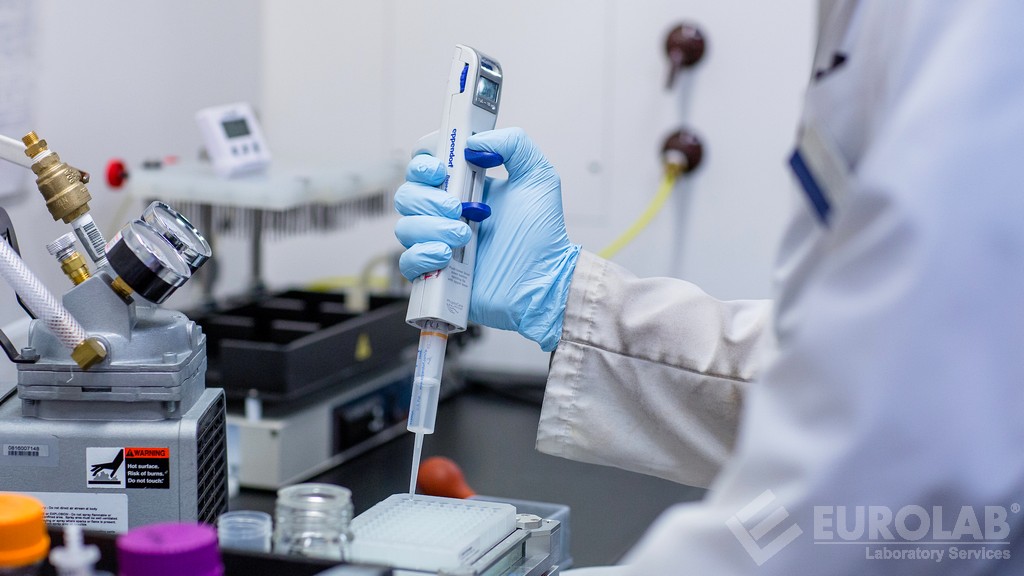
The weight loss test is conducted under controlled laboratory conditions where the specimen is exposed to specific corrosive environments. The specimens are typically cleaned, weighed accurately before exposure, and then immersed in a solution that simulates real-world conditions. After an agreed-upon period of time (often 24 hours or longer), the specimens are removed, dried, and weighed again. The difference in mass between the initial and final measurements represents the weight loss due to corrosion.
The results from this test can be used to compare different materials' resistance to corrosion under similar conditions. This information is invaluable for quality assurance processes, ensuring that products meet regulatory standards and perform reliably over their intended lifetimes. Compliance officers rely on such data to ensure they are adhering to industry best practices and local regulations.
The ASTM G1 method offers a reliable way to predict the service life of materials used in various industries, including aerospace, automotive, marine engineering, and construction. By understanding how different materials respond to specific corrosive environments, engineers can design more durable products that meet customer expectations and regulatory requirements.
For instance, in the automotive industry, where durability is critical for safety and performance, knowing the corrosion resistance of materials helps in selecting parts that will not degrade prematurely. In marine engineering, understanding material degradation in saltwater conditions ensures that structures remain safe and operational over extended periods.
The ASTM G1 weight loss method also provides insights into how various environmental factors interact with metallic components. Factors such as humidity, temperature, and the presence of other chemicals can all influence corrosion rates. By using this test, manufacturers can optimize their production processes to minimize material degradation, thereby reducing maintenance costs and extending product lifespans.
In conclusion, the ASTM G1 weight loss method is a fundamental tool in metallurgy and material testing that helps ensure the reliability and longevity of materials used across numerous industries. Its ability to provide quantitative data on corrosion rates makes it an essential part of any quality assurance program aimed at maintaining high standards of product performance.
Eurolab Advantages
EuroLab's expertise in the Metallurgy & Material Testing sector is unparalleled, offering a range of services designed to meet the needs of quality managers, compliance officers, R&D engineers, and procurement professionals. Our specialized facilities and state-of-the-art equipment ensure that we can provide accurate and reliable results for corrosion and environmental degradation testing services.
Our team of highly qualified engineers and technicians is dedicated to delivering high-quality services, ensuring compliance with international standards such as ASTM G1. We employ advanced techniques like the weight loss method to provide detailed reports that are essential for decision-making processes in product development and quality assurance.
EuroLab's commitment to excellence extends beyond just providing accurate test results. Our facilities offer a controlled environment where tests can be conducted under specific conditions, ensuring that the results accurately reflect real-world scenarios. This approach is particularly important when evaluating materials intended for use in harsh environments like marine applications or aerospace components.
We also provide comprehensive support throughout all stages of testing, from sample preparation to final analysis and reporting. Our experienced staff can offer guidance on selecting appropriate specimens and solutions based on the specific requirements of each project. Additionally, our multidisciplinary approach allows us to integrate metallurgical insights with environmental considerations, providing a holistic view of material performance.
EuroLab's commitment to innovation means we continuously invest in new technologies and methodologies to enhance the accuracy and efficiency of our testing processes. By staying at the forefront of advancements in materials science and corrosion testing, we ensure that clients receive cutting-edge solutions tailored to their unique needs.
Environmental and Sustainability Contributions
The pursuit of sustainability has become a global priority, driving innovation across many industries, including metallurgy and material testing. At EuroLab, we recognize the importance of minimizing environmental impact while maintaining robust quality standards. Our commitment to sustainable practices is reflected in our approach to corrosion and environmental degradation testing.
Our use of advanced techniques like the ASTM G1 weight loss method not only provides accurate results but also supports efforts towards reducing waste and promoting efficient resource utilization. By identifying materials that exhibit superior resistance to corrosion, we help manufacturers design products with extended lifespans, thereby reducing the need for frequent replacements and associated costs.
Incorporating sustainability into our testing practices involves adopting eco-friendly methodologies whenever possible. For example, we prioritize using renewable energy sources where available and implement waste reduction strategies within our laboratories. These efforts contribute to minimizing the carbon footprint associated with our operations while maintaining high standards of service quality.
The insights gained from our tests play a crucial role in fostering sustainable practices throughout industries reliant on metal components. By selecting materials that perform well under adverse conditions, we encourage manufacturers to adopt more environmentally conscious designs. This approach helps reduce energy consumption and emissions linked to product lifecycle stages such as manufacturing, transportation, and disposal.
Furthermore, our collaboration with clients on research projects focused on sustainable materials development ensures ongoing advancements in this field. Through these partnerships, we aim to contribute significantly to the shift towards greener technologies that balance performance requirements with ecological considerations.
Use Cases and Application Examples
The ASTM G1 weight loss method finds extensive application across various industries where material durability is paramount. Here are some key use cases:
Aerospace Industry: In this highly regulated sector, ensuring that materials used in aircraft construction can withstand harsh atmospheric conditions is critical. The weight loss test helps engineers select metals that will maintain structural integrity during prolonged exposure to moisture and extreme temperatures.
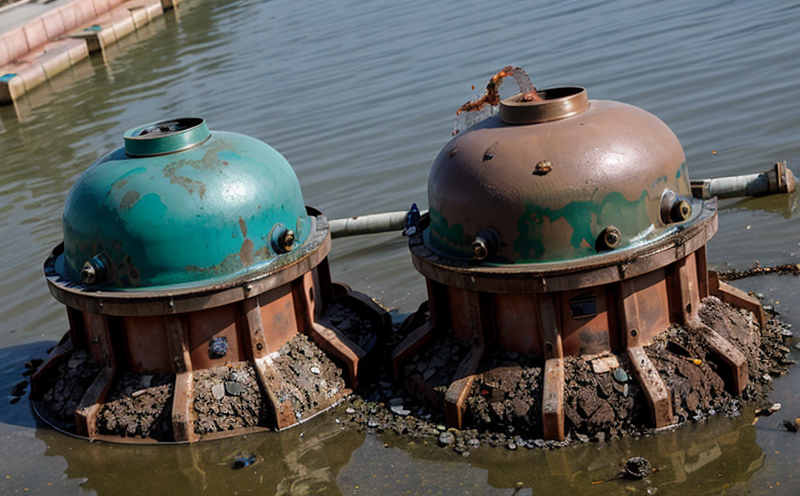
Marine Engineering: Saltwater environments present unique challenges for marine structures due to the corrosive nature of brine. Using ASTM G1, engineers can evaluate different materials' resistance to saltwater corrosion, ensuring safe and reliable operation in coastal areas.
Automotive Sector: The automotive industry requires materials that are not only strong but also durable over extended periods. By applying the weight loss method, manufacturers can identify which metals perform best under typical driving conditions, including exposure to road salts and other corrosive elements.
Construction Industry: Buildings exposed to outdoor environments face constant challenges from moisture and pollutants. Testing materials using ASTM G1 helps architects choose components that will stand the test of time without requiring frequent repairs or replacements.
Battery Manufacturing: Lithium-ion batteries are sensitive to corrosion, which can degrade their performance over time. Employing the weight loss method allows battery manufacturers to identify suitable casing materials that protect internal components from degradation.
Medical Devices: Implants and other medical devices must be resistant to body fluids and chemicals used in sterilization processes. Using ASTM G1 ensures that these products meet strict biocompatibility requirements while also being durable against potential corrosive agents.