Aquatic Toxicity Testing of Cosmetic Ingredients
Understanding and ensuring the environmental safety of cosmetic ingredients is essential in today's regulatory landscape. Aquatic toxicity testing plays a crucial role in assessing the potential adverse effects that cosmetic ingredients may have on aquatic ecosystems. This service involves the evaluation of how specific ingredients impact fish, algae, and other aquatic organisms under controlled laboratory conditions.
The process typically begins with the selection of appropriate test species based on their sensitivity to toxicants, which are often chosen from internationally recognized lists such as those provided by OECD (Organisation for Economic Co-operation and Development) or ISO standards. Commonly used organisms include rainbow trout (for freshwater testing), fathead minnows (as a model organism), and algae strains like Scenedesmus.
The test involves exposing these organisms to known concentrations of the cosmetic ingredient in a controlled environment over specified time periods, usually ranging from 48 hours up to several weeks depending on the toxicity endpoint being evaluated. These endpoints can include lethality rates, growth inhibition, reproduction impairment, and behavioral changes.
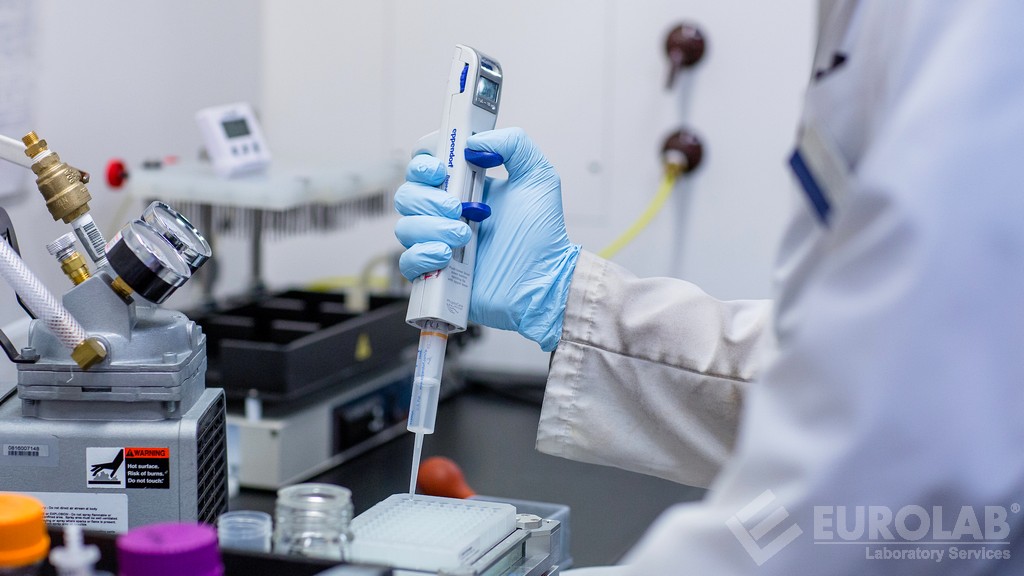
Instrumentation used for conducting aquatic toxicity tests includes flow-through systems that maintain constant water quality parameters such as temperature, pH, and dissolved oxygen levels. Automated monitoring devices are also employed to continuously measure biological responses during the exposure period. Post-exposure assessments involve detailed microscopic observations of affected specimens along with biochemical analyses to quantify cellular damage or physiological stress.
Accurate reporting is critical in aquatic toxicity testing. Results are typically expressed as EC50 (effective concentration causing 50% response), LOEC (lowest observed effect concentration), NOEC (no observable effect concentration), and other relevant metrics that help determine the safety margin for each ingredient. Compliance with international standards ensures consistency across different markets, thereby facilitating easier product registration processes internationally.
By incorporating aquatic toxicity testing into their development pipeline, cosmetic companies can proactively address potential environmental impacts before products reach market shelves. This approach not only enhances brand reputation but also supports sustainable practices aligned with global sustainability goals set forth by organizations like the United Nations Environment Programme (UNEP).
Quality and Reliability Assurance
- Compliance with international standards such as OECD, ISO, ASTM, and EN ensures accurate and reliable results.
- Use of state-of-the-art laboratory equipment for precise measurements and continuous monitoring during tests.
- Dedicated teams of experienced toxicologists who have extensive knowledge in aquatic ecology and chemical analysis.
The rigorous quality control measures implemented at our facility guarantee high standards throughout the entire testing process, from sample preparation to final report generation. Our commitment to excellence is reflected in the consistent accuracy and reproducibility of our results, which are validated through internal audits and external peer reviews whenever necessary.
Environmental and Sustainability Contributions
- Reduction in unnecessary animal testing by focusing on alternative methods like in vitro assays and computer modeling where applicable.
- Promotion of sustainable sourcing practices through the selection of less harmful ingredients for aquatic environments.
- Supporting circular economy principles by minimizing waste generation during test procedures and recycling used materials wherever possible.
The results from our aquatic toxicity testing contribute significantly to reducing environmental footprints associated with cosmetic product development. By identifying potentially harmful compounds early in the research phase, we enable manufacturers to make informed decisions towards creating more eco-friendly products. This proactive approach aligns perfectly with broader sustainability initiatives aimed at protecting natural resources and promoting biodiversity.
Competitive Advantage and Market Impact
Incorporating aquatic toxicity testing into your cosmetic product development strategy provides several competitive advantages. Firstly, it enhances consumer trust by demonstrating a strong commitment to environmental responsibility. Secondly, early identification of potentially problematic ingredients allows for timely adjustments in formulation design, ensuring that new products meet stringent regulatory requirements without delay.
Moreover, compliance with international standards positions you favorably among competitors who may not prioritize environmental considerations equally. As global regulations continue to evolve, having robust data from aquatic toxicity tests can provide a solid foundation upon which future innovations can be built confidently. This strategic foresight ensures that your brand remains ahead of the curve in terms of innovation and sustainability.
Finally, successful implementation of this testing service can lead to enhanced market positioning by attracting environmentally conscious consumers who value transparency and ethical practices. By leading the way in responsible cosmetic ingredient selection and usage, you position yourself as a leader within the industry, fostering long-term loyalty among your customer base.