
Antimony Content Testing in Toys
The presence of antimony (Sb) in toys and children's products can pose significant health risks to young consumers. Antimony is a metalloid that, when ingested or absorbed through the skin, can lead to serious health issues such as kidney damage, liver impairment, and even death in severe cases. The European Union has stringent regulations on the use of antimony in consumer goods due to these potential hazards.
Regulations like those outlined in EU Directive 2016/609, which mandates compliance with the Restriction of Hazardous Substances (RoHS) directive, aim to eliminate or reduce the use of hazardous substances in consumer products. RoHS specifically targets antimony and other heavy metals that can be harmful if present above certain limits.
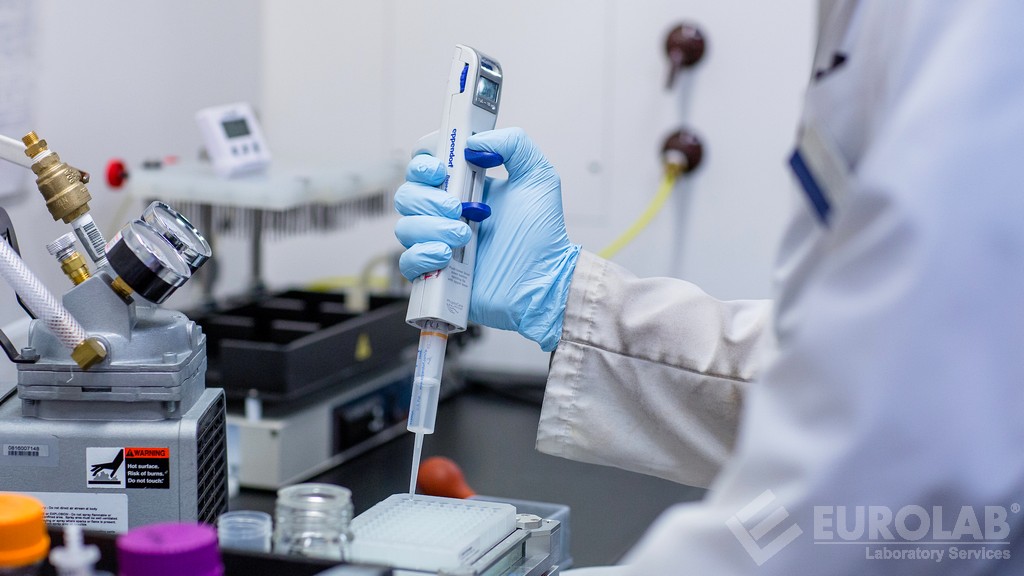
For toy manufacturers, ensuring that their products do not exceed the allowable concentration levels for antimony is crucial for maintaining compliance with these regulations. This testing helps safeguard children's health by identifying any potential risks early in the product development or manufacturing process. The testing method typically involves sampling a representative portion of toys and subjecting it to analytical procedures such as Inductively Coupled Plasma Mass Spectrometry (ICP-MS) or Atomic Absorption Spectroscopy (AAS), which are capable of detecting even trace amounts of antimony.
The testing process begins with thorough preparation of the toy samples. This involves cleaning and drying the specimens to remove any external contaminants that could skew results. The cleaned samples are then ground into fine particles, ensuring a homogeneous mix for accurate analysis. After this preparatory step, the samples undergo chemical digestion using strong acids like nitric acid or perchloric acid to convert the antimony present in various forms back into its ionic state.
The detection of antimony content is conducted through precise instrumental analysis techniques such as ICP-MS and AAS. These methods are highly sensitive, allowing for accurate measurement down to parts per million (ppm) levels. The results provide a quantitative assessment of the antimony concentration in the toy samples. Compliance with EU regulations requires that the total antimony content does not exceed 0.1% by weight.
Manufacturers must ensure their products meet these stringent standards, and regular testing is essential to maintain compliance throughout production cycles. Failure to comply can result in product recalls, legal penalties, and damage to brand reputation. By incorporating this testing into quality control protocols, toy manufacturers can protect both themselves and consumers from the dangers associated with antimony exposure.
Applied Standards
The primary standard used for antimony content testing in toys is ISO 8124-6:2019, which specifies the requirements and test methods related to safety aspects of toy materials. This standard covers a range of tests, including antimony content analysis, designed to ensure that toys are safe for use by children.
Additionally, manufacturers may also refer to EU Directive 2016/609, which provides the regulatory framework for the restriction of hazardous substances in electrical and electronic equipment, including toys. This directive ensures that all relevant substances are tested to ensure they do not pose a risk to human health or the environment.
The testing procedures outlined in these standards involve detailed steps for sample preparation, extraction methods, and instrumental analysis techniques. Compliance with these standards is mandatory for toy manufacturers within the European Union and other regions where similar regulations apply.
Eurolab Advantages
At Eurolab, we offer comprehensive antimony content testing services that are tailored specifically to meet the rigorous requirements set forth by international standards. Our team of experts ensures that each sample is handled with utmost care and precision, employing advanced analytical techniques to provide accurate results.
- State-of-the-art instrumentation: We utilize high-end equipment such as ICP-MS and AAS to deliver precise measurements of antimony content down to the lowest detectable limits.
- Comprehensive service offerings: Beyond just testing, we also provide consultancy services to help manufacturers understand how to achieve compliance with relevant regulations.
- Consistent quality: Our laboratories are accredited and certified according to ISO/IEC 17025:2017, ensuring that our tests meet the highest standards of accuracy and reliability.
Our commitment to excellence is reflected in our adherence to international best practices and continuous improvement initiatives. Eurolab’s expertise allows us to provide reliable test results that are crucial for maintaining compliance with EU regulations and other relevant directives.
Why Choose This Test
- Avoid Legal Penalties: Regular testing helps avoid hefty fines and legal actions associated with non-compliance.
- Protect Your Brand Reputation: Ensuring toy safety is key to maintaining a positive brand image among consumers.
- Enhance Consumer Trust: Demonstrating compliance with international standards builds trust between manufacturers and their customers.
Testing for antimony content in toys is not just about meeting regulatory requirements but also about safeguarding children's health. By conducting this test, you can ensure that your products are safe from harmful substances, thereby contributing to a safer environment for all users.