
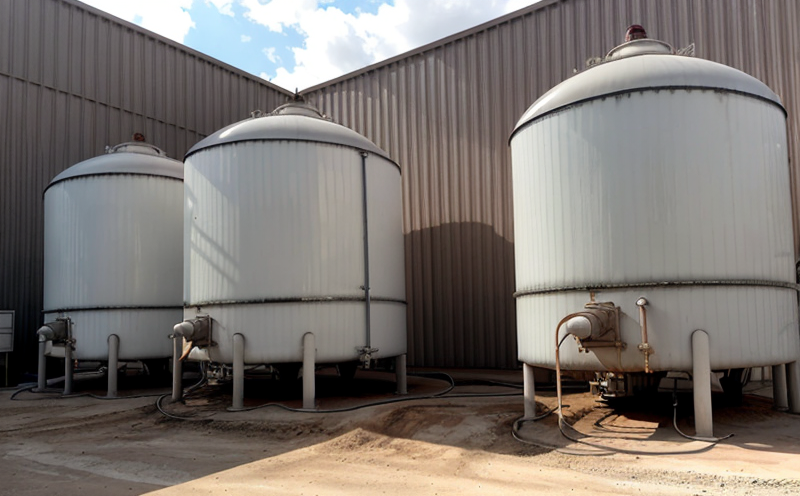
Ammonia storage tank inspection
The inspection of ammonia storage tanks is a critical component in ensuring safety and compliance within industrial facilities. Ammonia, being highly reactive and hazardous, requires stringent monitoring to prevent potential leaks or failures that could lead to severe accidents. This article focuses on the specific aspects related to inspecting ammonia storage tanks, detailing best practices, methodologies, and the importance of regular inspections.
Ammonia is widely used in various industries including food processing, refrigeration, chemical manufacturing, and agriculture. Its widespread use necessitates a robust inspection regime that adheres to international standards such as ISO 15092 for pressure vessels, ASME (American Society of Mechanical Engineers) codes, and EN 13445.
The primary goal of an ammonia storage tank inspection is to ensure the integrity of the vessel. This involves a thorough examination of the tank's structure, materials, and operational environment. Regular inspections help in identifying potential flaws or weaknesses that could lead to leaks or structural failures. The use of advanced non-destructive testing (NDT) methods such as ultrasonic testing, radiography, and liquid penetrant inspection ensures accuracy and reliability.
During the inspection process, it is crucial to consider the ambient conditions around the tank. Factors like temperature, humidity, and exposure to corrosive elements can significantly impact the longevity of an ammonia storage vessel. Therefore, inspections often include a review of these environmental factors to assess their influence on the tank's integrity.
Ammonia has a boiling point at -33°C (-28°F) under standard atmospheric pressure, making it prone to vaporization and expansion within the storage tank. This characteristic requires tanks to be designed with sufficient volume to accommodate changes in phase without compromising structural integrity. The inspection process must account for these dynamic conditions to ensure safe operation.
The ASME code provides guidelines on how to inspect ammonia storage tanks based on their design pressure, material, and service environment. For instance, Class 1, Division 2 vessels are subject to more stringent inspections due to higher operating pressures or materials with reduced strength.
During the inspection, various tools and techniques come into play. Ultrasonic testing measures wall thickness loss by detecting echoes reflected from internal flaws. Radiography uses X-rays to create images of the tank's interior, revealing any cracks or fissures that may not be visible on the exterior surface. Liquid penetrant testing detects surface-breaking defects such as cracks or porosity.
The inspection report is a vital document that summarizes findings and recommendations. It should detail the condition of the tank, any detected flaws, and suggestions for corrective actions. Compliance with ASME codes ensures that these reports are accurate and meet industry standards. Regular inspections not only enhance safety but also extend the life of the storage tanks by addressing issues before they escalate into failures.
In conclusion, ammonia storage tank inspection is a specialized process requiring meticulous attention to detail and adherence to international standards. By following established protocols and utilizing advanced technologies, facilities can ensure the safe operation of their ammonia storage systems, thereby protecting both personnel and the environment.
Benefits
The benefits of regular inspections for ammonia storage tanks are numerous and far-reaching. Firstly, they enhance safety by identifying potential hazards early on, thus preventing accidents that could cause loss of life or significant property damage. Secondly, inspections help in extending the operational lifespan of these critical facilities by catching issues before they become severe.
Compliance with international standards such as ASME codes ensures that inspection protocols are rigorous and consistent across different regions. This compliance not only builds trust among stakeholders but also facilitates smoother regulatory processes. Additionally, regular inspections can lead to cost savings through proactive maintenance strategies rather than reactive repairs after incidents occur.
Safety is paramount in any facility handling hazardous materials like ammonia. By adhering strictly to inspection schedules and procedures, facilities demonstrate their commitment to safeguarding public health and the environment. This commitment fosters a culture of responsibility within the organization, encouraging continuous improvement and best practices.
Industry Applications
- Food Processing: Ammonia is used as a refrigerant in food processing plants to maintain cold storage conditions. Regular inspections ensure that storage tanks remain safe during this critical process.
- Refrigeration: In large-scale refrigeration systems, ammonia serves as the primary coolant. Inspections are essential to guarantee reliable and efficient operation.
- Chemical Manufacturing: Ammonia is a key component in many chemical manufacturing processes. Safe storage tanks contribute to smooth production cycles and quality output.
- Agriculture: Ammonia-based fertilizers require secure storage tanks to prevent leaks that could contaminate soil or water sources.